Conservation practice
CULTIVATE & RETURN
Seeds move through controlled germination, nursery cultivation, and gradual acclimatization before selected plants enter a living alpine garden in Liju Village.
About SHANHE
An alpine plant conservation initiative examining how biodiversity protection intersects with livelihood, knowledge, labor, and belonging — moving between the mountains of northwest Yunnan and a school in Beijing.
SHANHE joins the meanings of mountain and living plant.
Shanhe began with a practical conservation question: how can threatened alpine plants be propagated beyond their increasingly fragile habitats and returned to the mountains where they belong? Working with local botanists, we collect and cultivate alpine species from northwestern Yunnan and surrounding high-elevation regions.
In Beijing, the project became a platform for students to participate from more than 2,000 kilometers away — a volunteer community built around a corridor garden inside our school, and a small public-facing network connecting student volunteers with conservation work and youth-designed products from Liju.
Over time the work has grown into a network of people learning, cultivating, designing, caring, and participating across two places — and into a set of questions about place, displacement, and belonging.
Conservation practice
Seeds move through controlled germination, nursery cultivation, and gradual acclimatization before selected plants enter a living alpine garden in Liju Village.
Field research
Using political ecology and ethnography, our fieldwork asks what lies behind visible environmental pressure — and whether conservation itself can create inequality.
Public humanities
Across artist books, installation, paper cutting, photography, and participatory work, Shanhe uses plants to unsettle familiar categories.
Community return
A small community-return model keeps conservation value circulating through garden infrastructure, paid or compensated work, and volunteer returns.
The relationship is not imagined as knowledge travelling in only one direction — from the mountains to students in Beijing. Design, conservation stories, participation, and economic value move between the two communities.
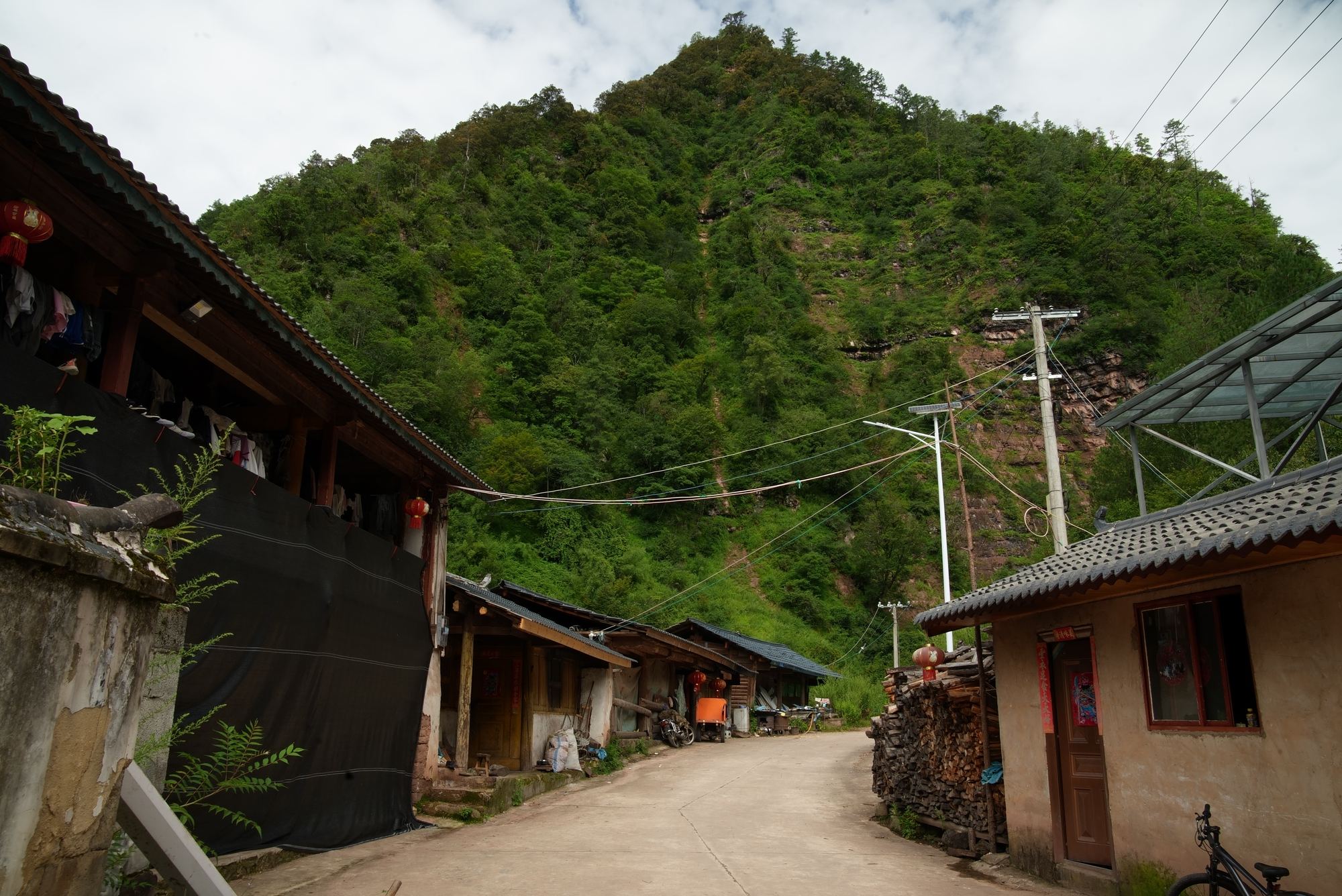
Our fieldwork focused on Sanchahe, a 49-household group within Liju Village. The alpine garden grows here — in a landscape that is pasture, farmland, habitat, livelihood, memory, and home.
Conservation does not return plants to an empty mountain.
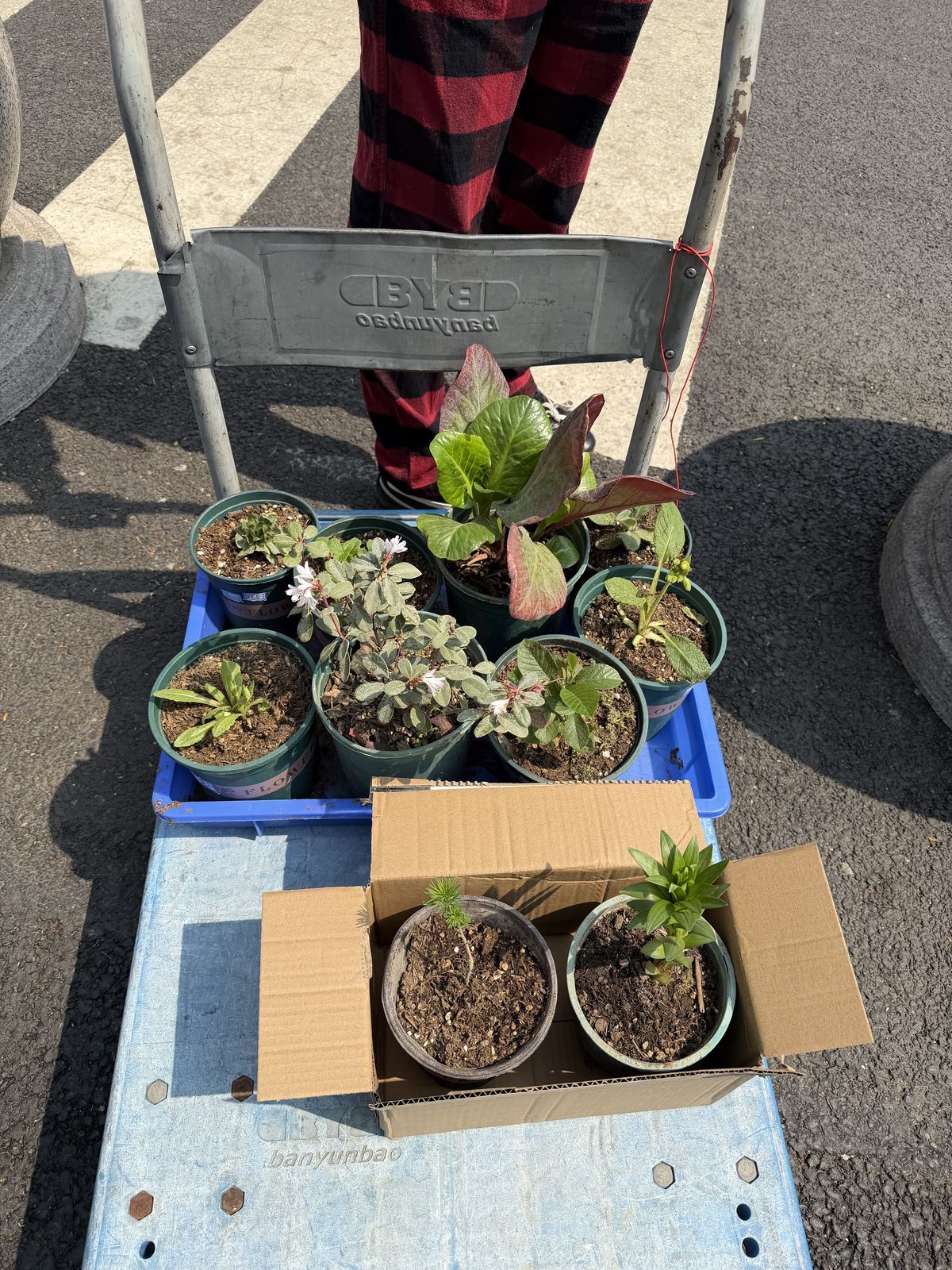
Thirty pots across six alpine species entered an unused school corridor. More than 30 student volunteers learned to care for them — and to ask what conservation means when it enters a new place and forms new relationships.
The garden is no longer only where the plants grow. It is also the relationships growing around them.
Volunteers, residents, guides, and children share the labor and the questions. Portraits are published within the scope of matching consent.
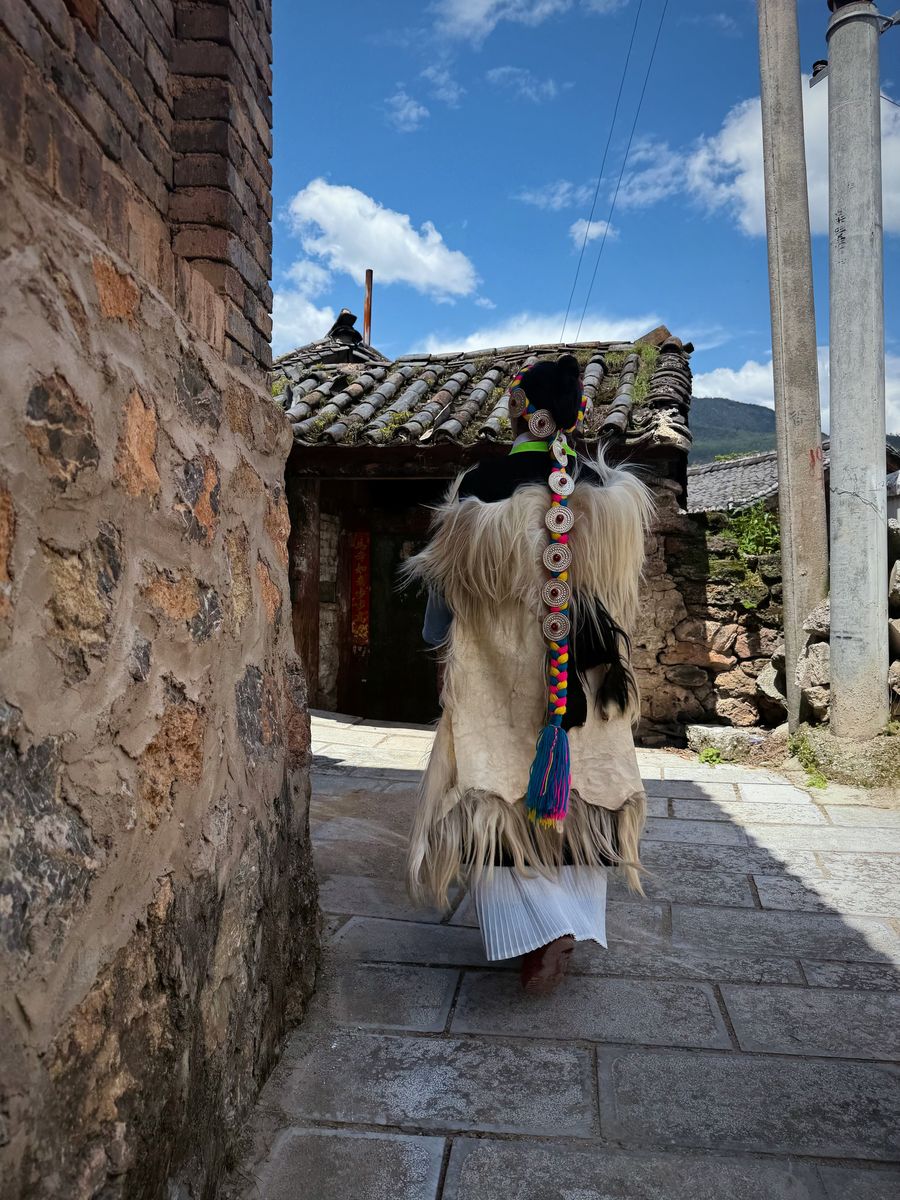
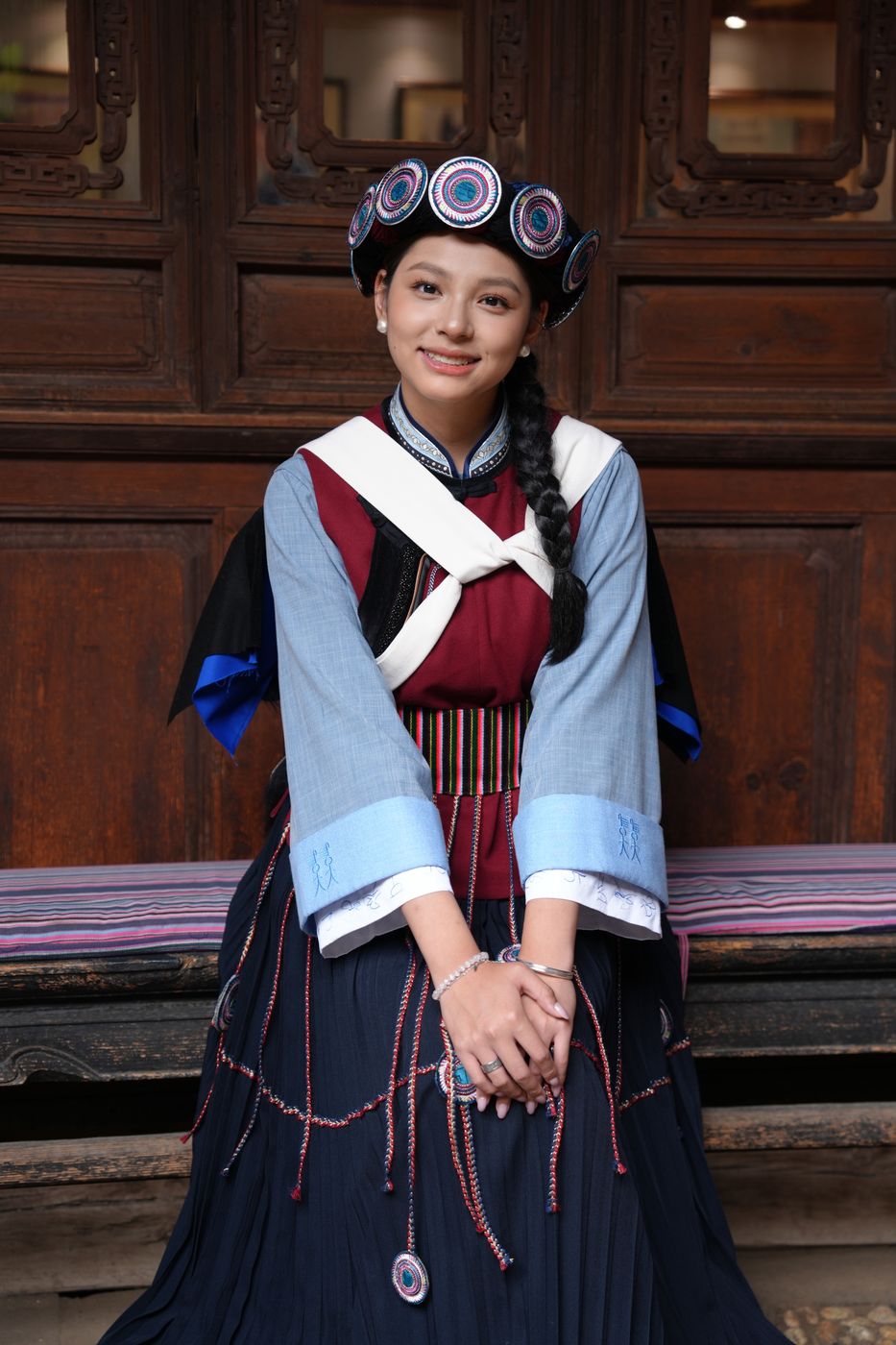
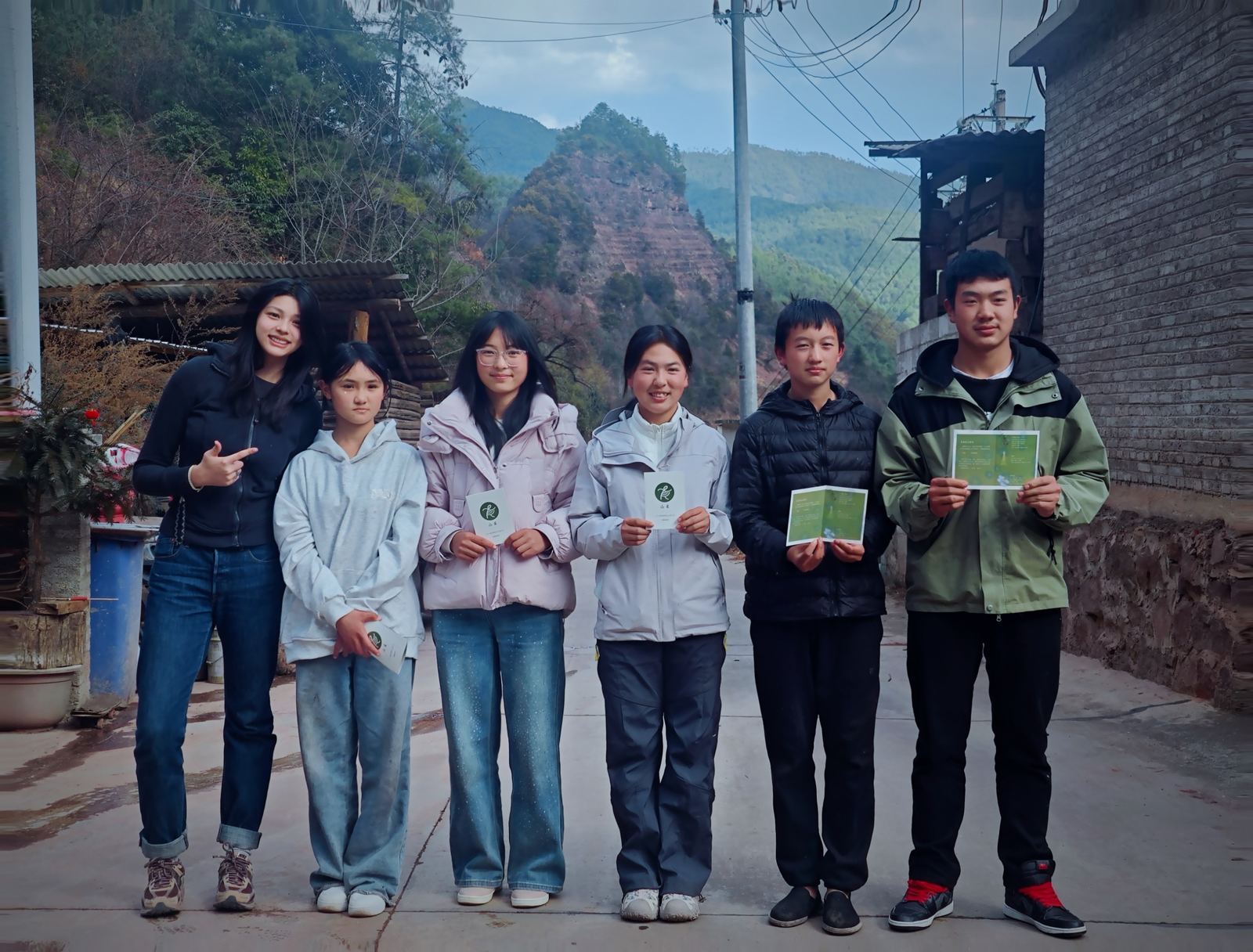
Portraits, names, audio, and direct quotes are shared only within the scope of consent that matches their public display. Nothing is quoted or invented beyond what has been confirmed.
Ecological observations from interviews are labeled as local testimony or field conversation — they are not automatically written as unconditional scientific facts.
Sensitive precise locations of endangered species are not published where they could increase collection or disturbance risk.
Detailed profiles of individual practitioners wait until their interview and transcription material is confirmed. Where material is still being prepared, we keep questions and placeholders — we do not invent voices.
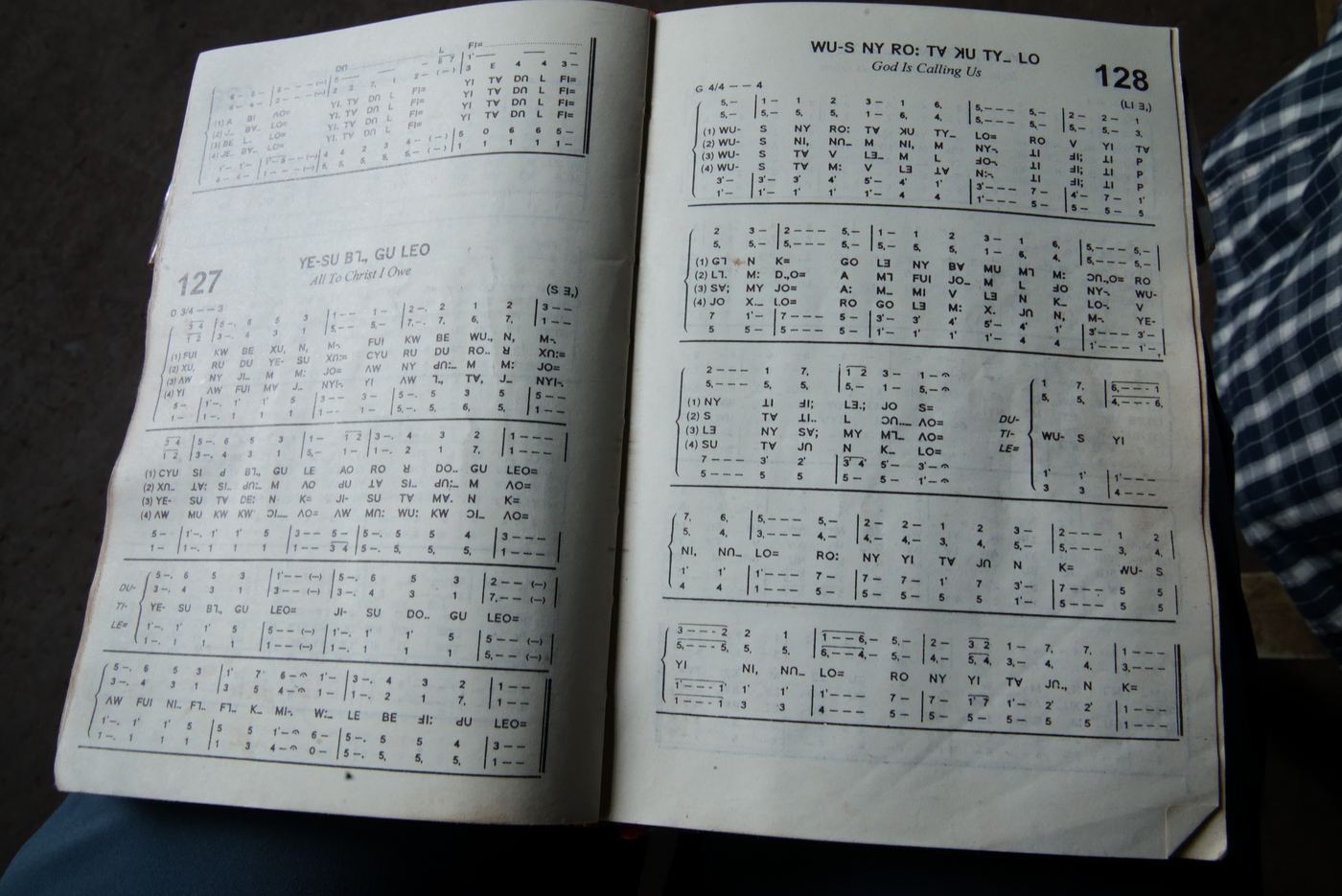
Religious material is not currently included on this website. If it enters the research archive in the future, the need for analysis and public consent will be re-confirmed.
The invited/uninvited plant comparison in Beijing concerns institutional classification, care, and belonging. Plant migration is never equated with human migration.
Updates on cultivation, field seasons, and public events are shared through Shanhe's public accounts. For collaborations, fieldwork inquiries, or questions about the research and its ethics, reach us through either channel.
WeChat — SHANHE
Xiaohongshu — SHANHE