BEIJING CHAPTER — 2,000 KM FROM LIJU
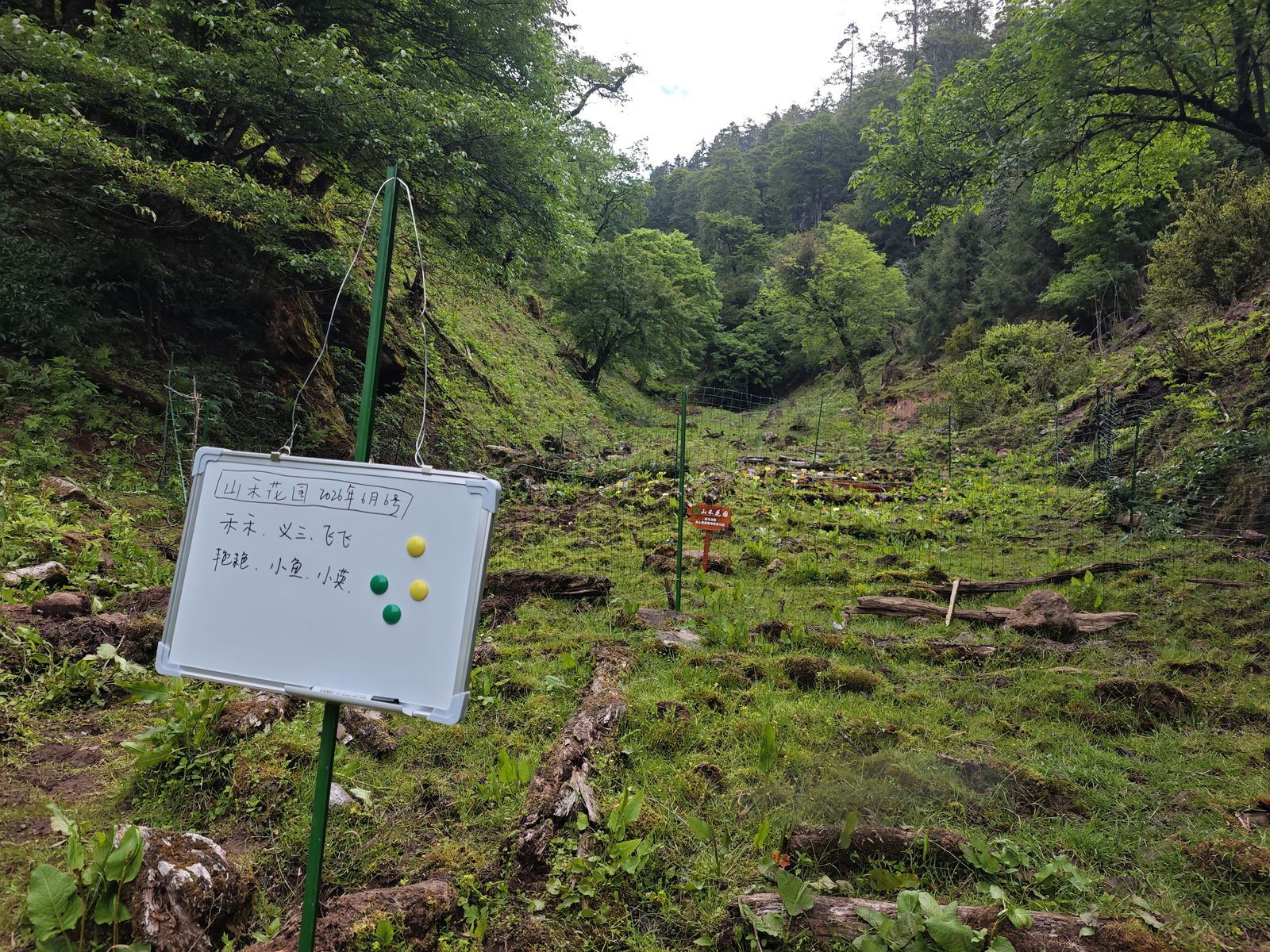
Conservation usually feels geographically distant: a protected area, a mountain expedition, a laboratory, somewhere outside everyday student life. In Beijing, we wanted to make it visible in an ordinary space.
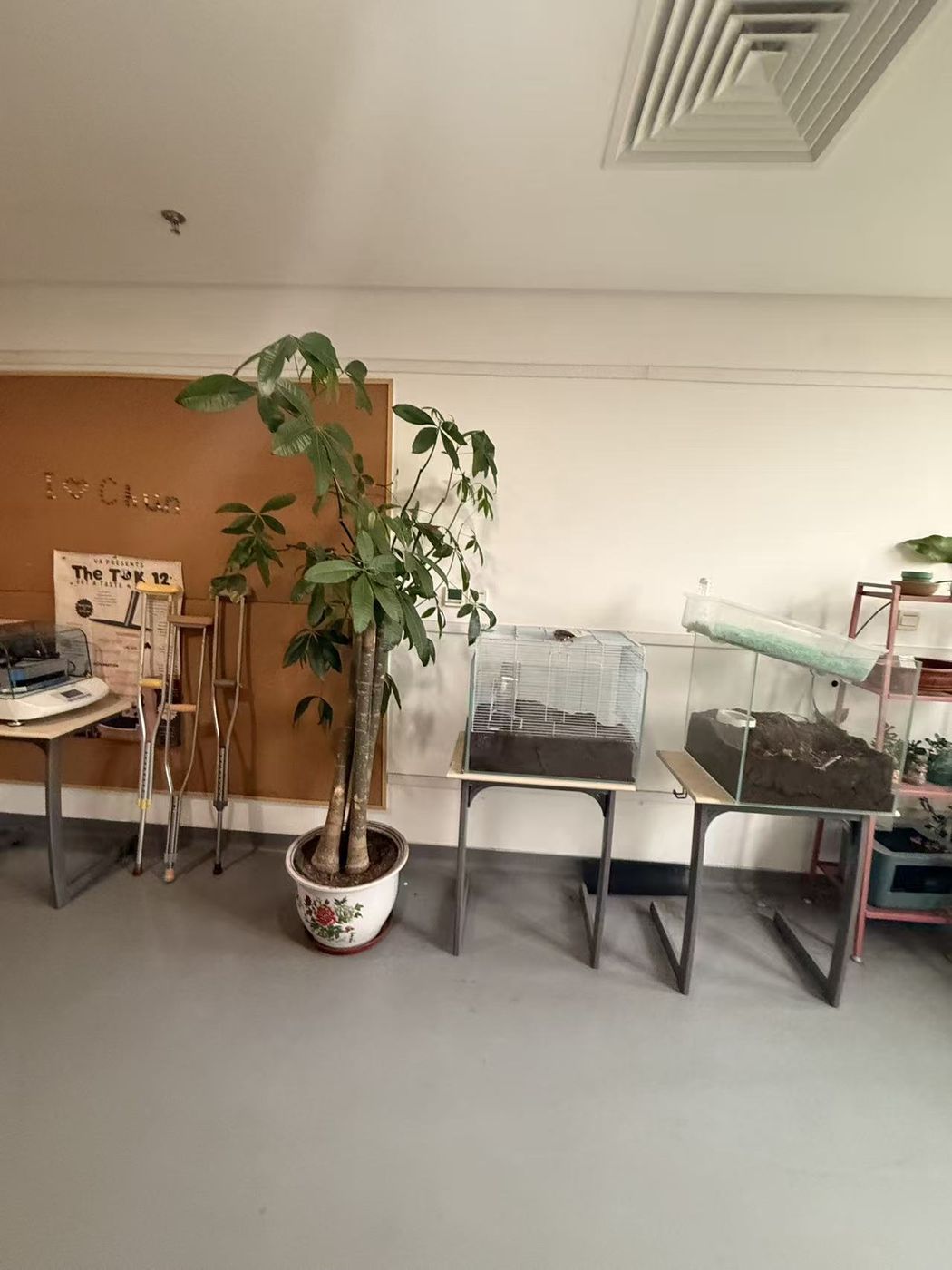
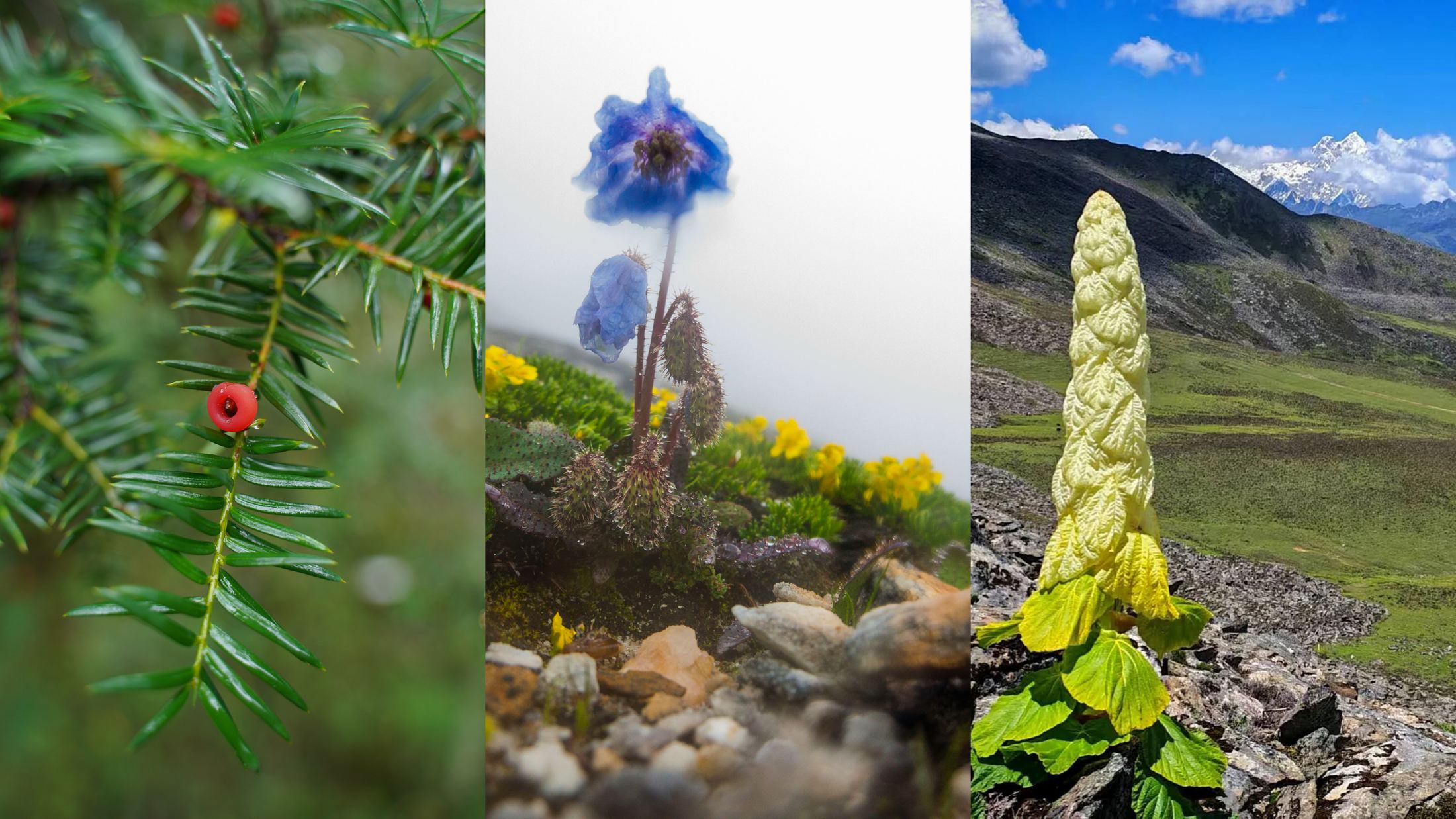
A school corridor became a small living garden containing 30 pots across six alpine species. Students passed the plants on their way to class, helped care for them, watched seedlings change, and encountered species that would otherwise remain distant names or photographs.
The garden was modest in scale, but that was precisely its role. It turned conservation from something students heard about into something they could repeatedly encounter and care for.
The corridor garden became both a cultivation space and a community space.
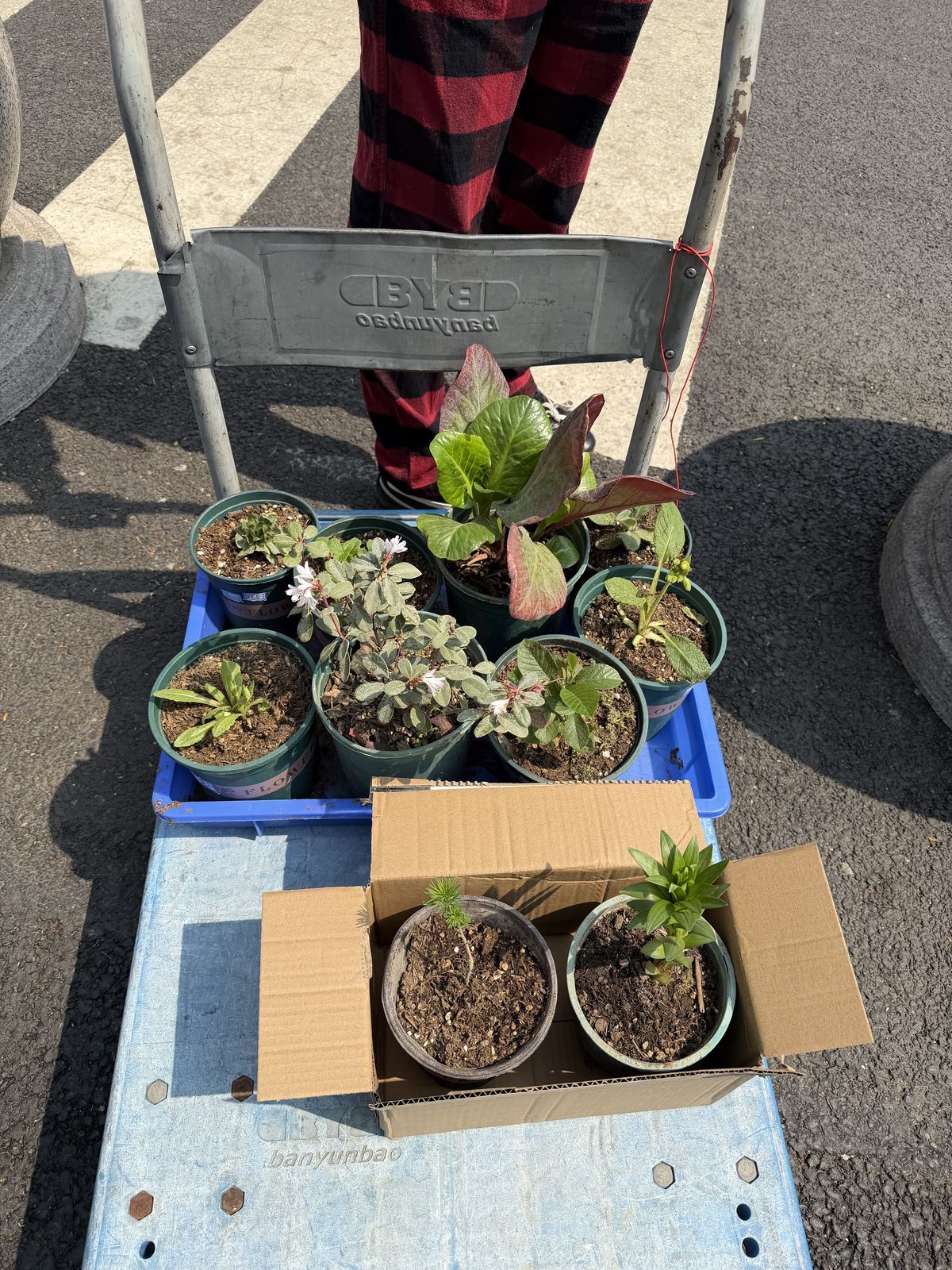
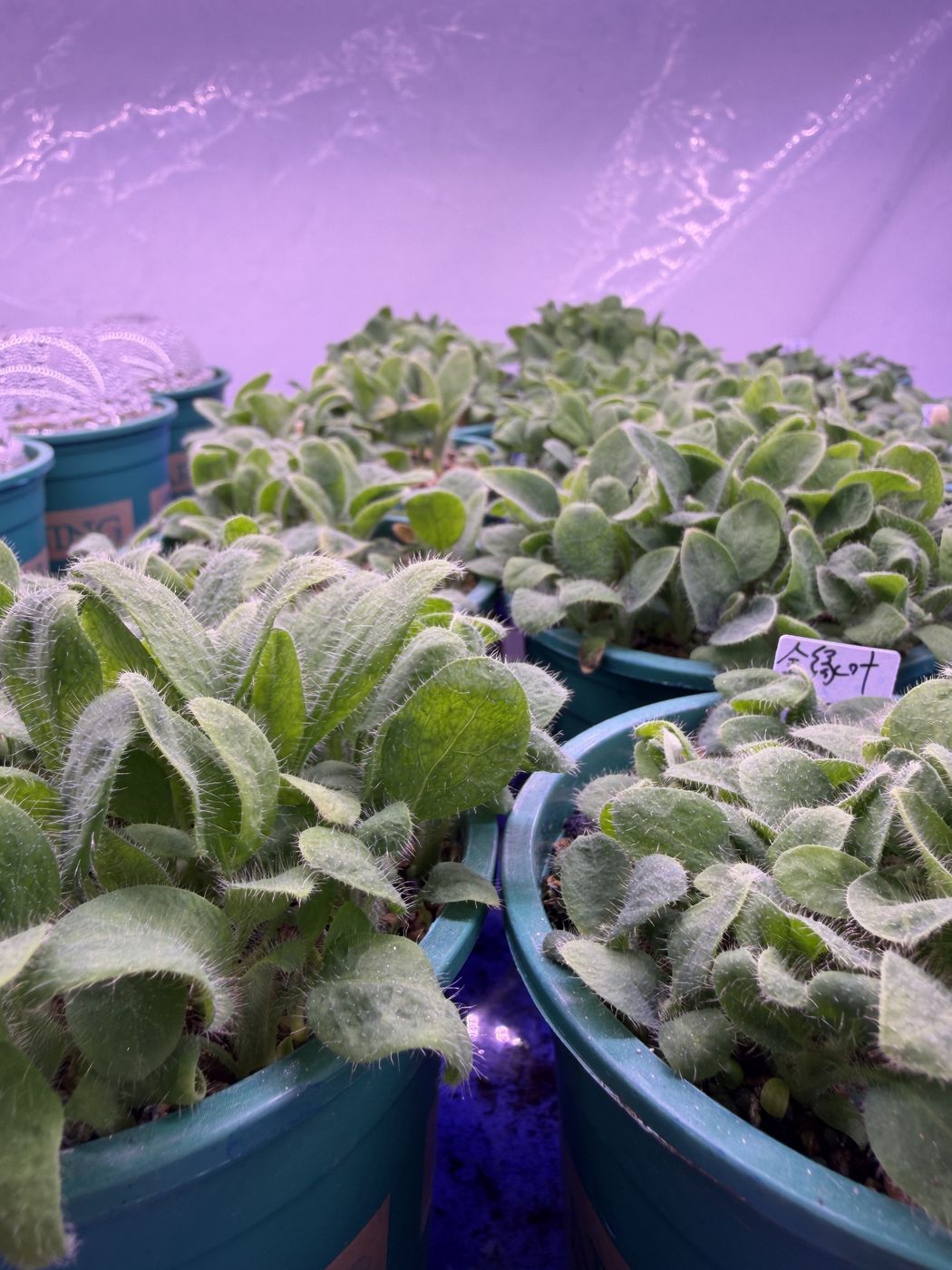
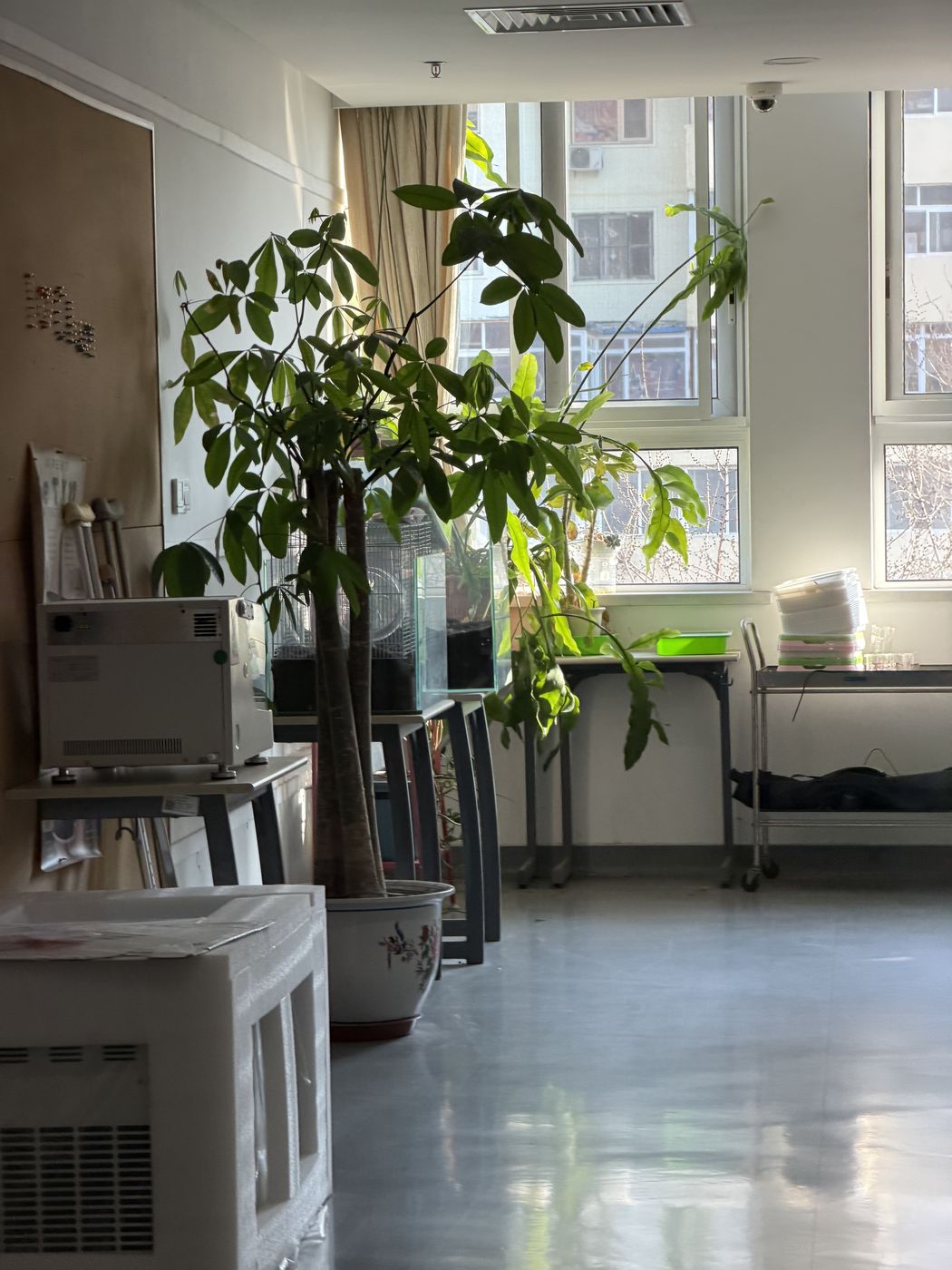
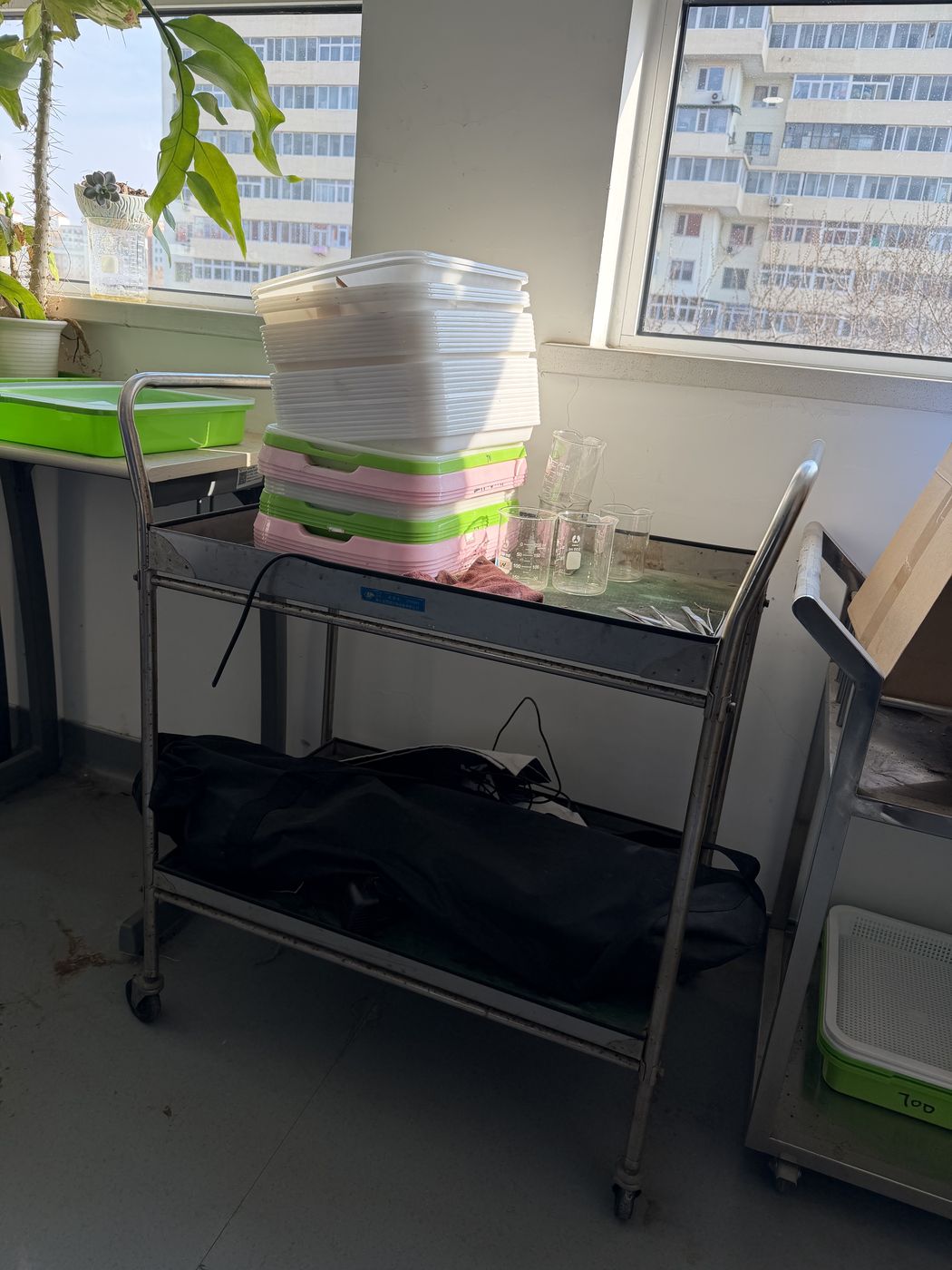
Shanhe did not remain in the mountains. In Beijing, the project became a platform for students to participate in alpine-plant conservation from more than 2,000 kilometers away.
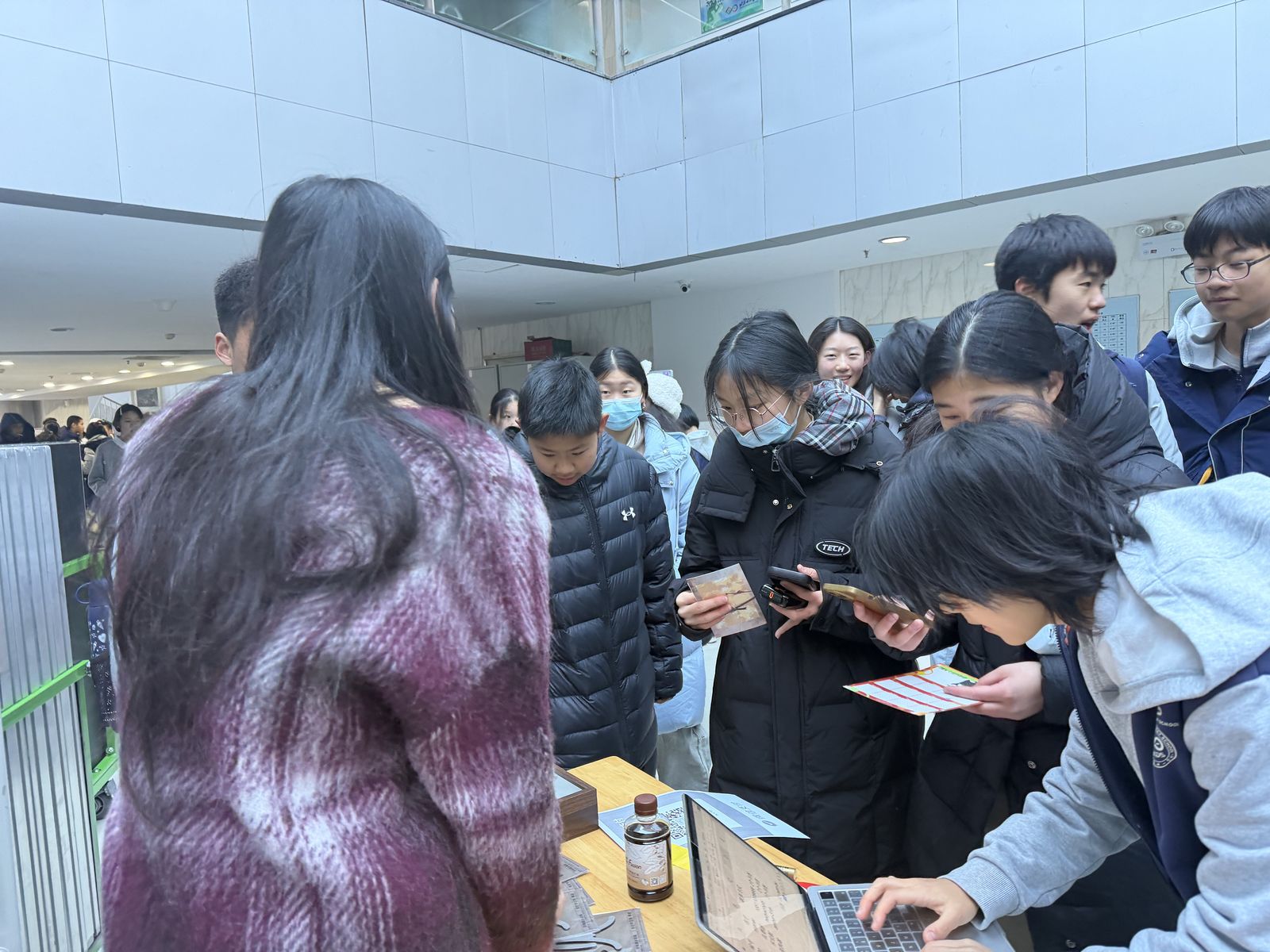
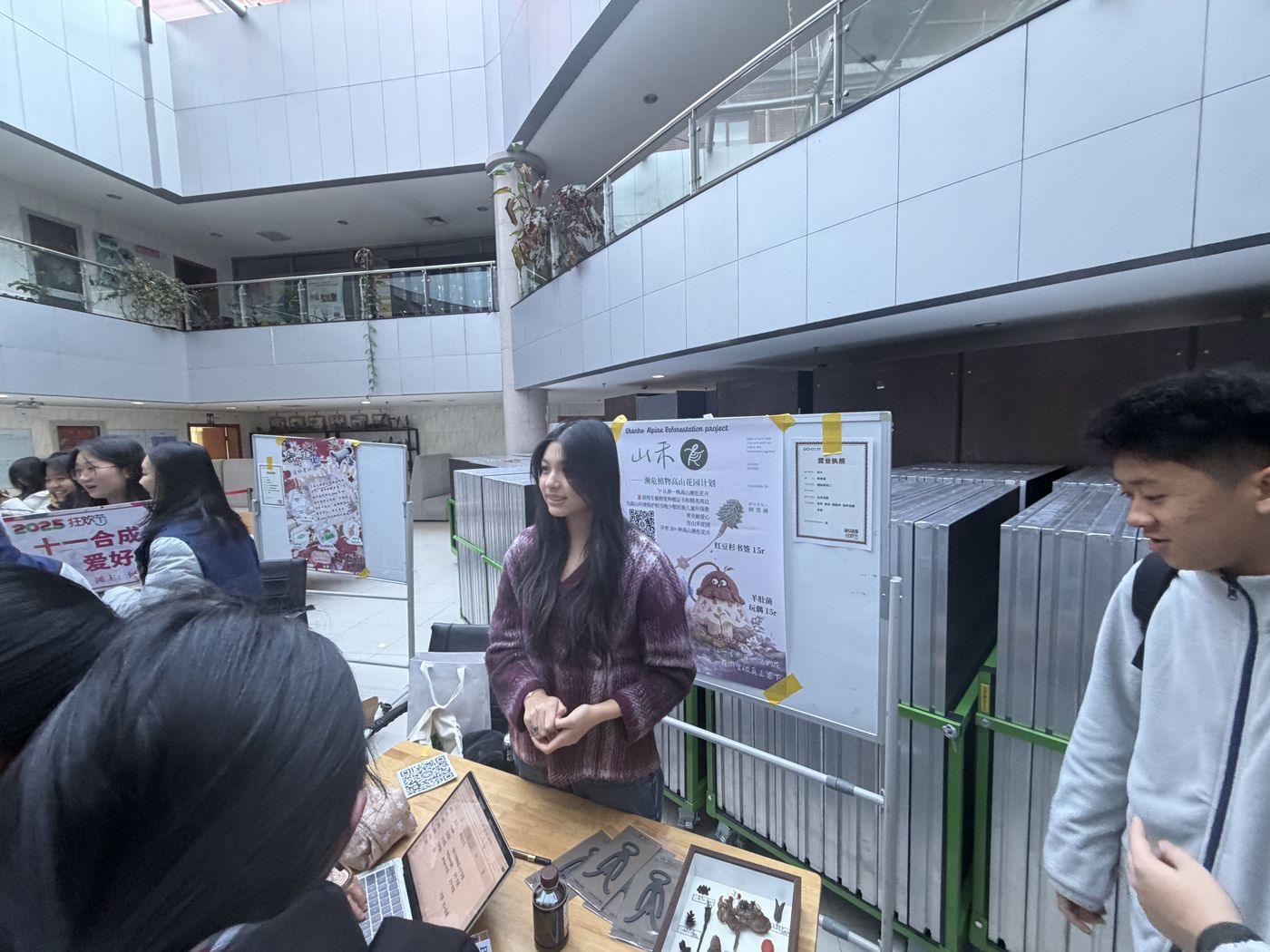
We recruited a volunteer community of 30+ students, introduced them to alpine biodiversity and conservation, built a corridor garden inside our school, and created a small public-facing network connecting student volunteers in Beijing with conservation work and youth-designed products from Liju.
This became Shanhe's second landscape: not another field site, but a community built around the first one.
The Beijing chapter began with people rather than plants.
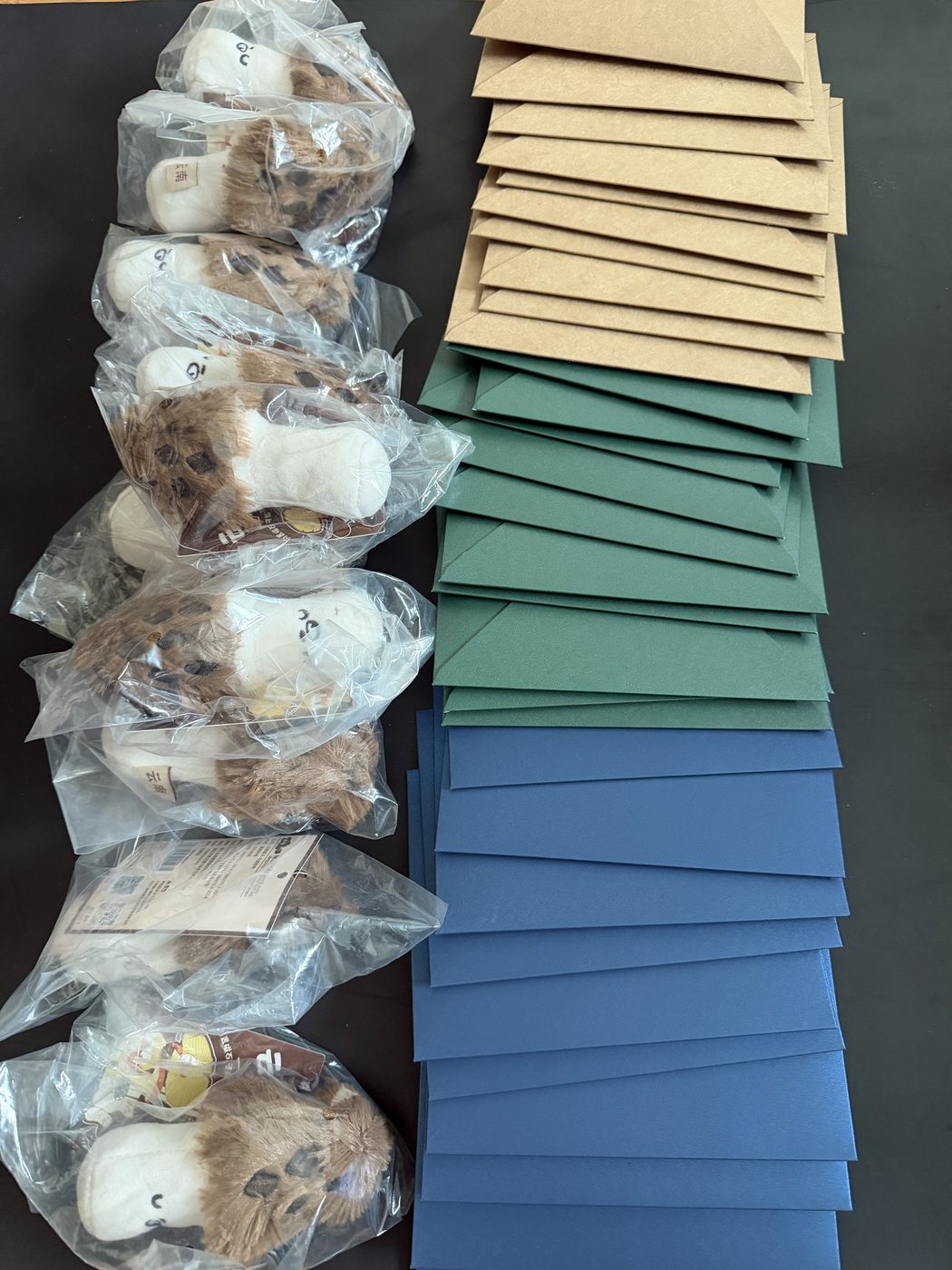
More than 30 student volunteers joined Shanhe, creating a team that could connect conservation work in Liju with participation in Beijing. Volunteers learned about alpine ecosystems, endangered plants, seed collection, cultivation, and the wider ecological challenges facing northwest Yunnan.
Participation was documented through volunteer certificates, turning the project from a small founding team into a wider student conservation community. The goal was not simply to recruit helpers. It was to create a pathway through which students far from the conservation site could understand where the plants came from, why they were being protected, and how their own work connected back to Liju.
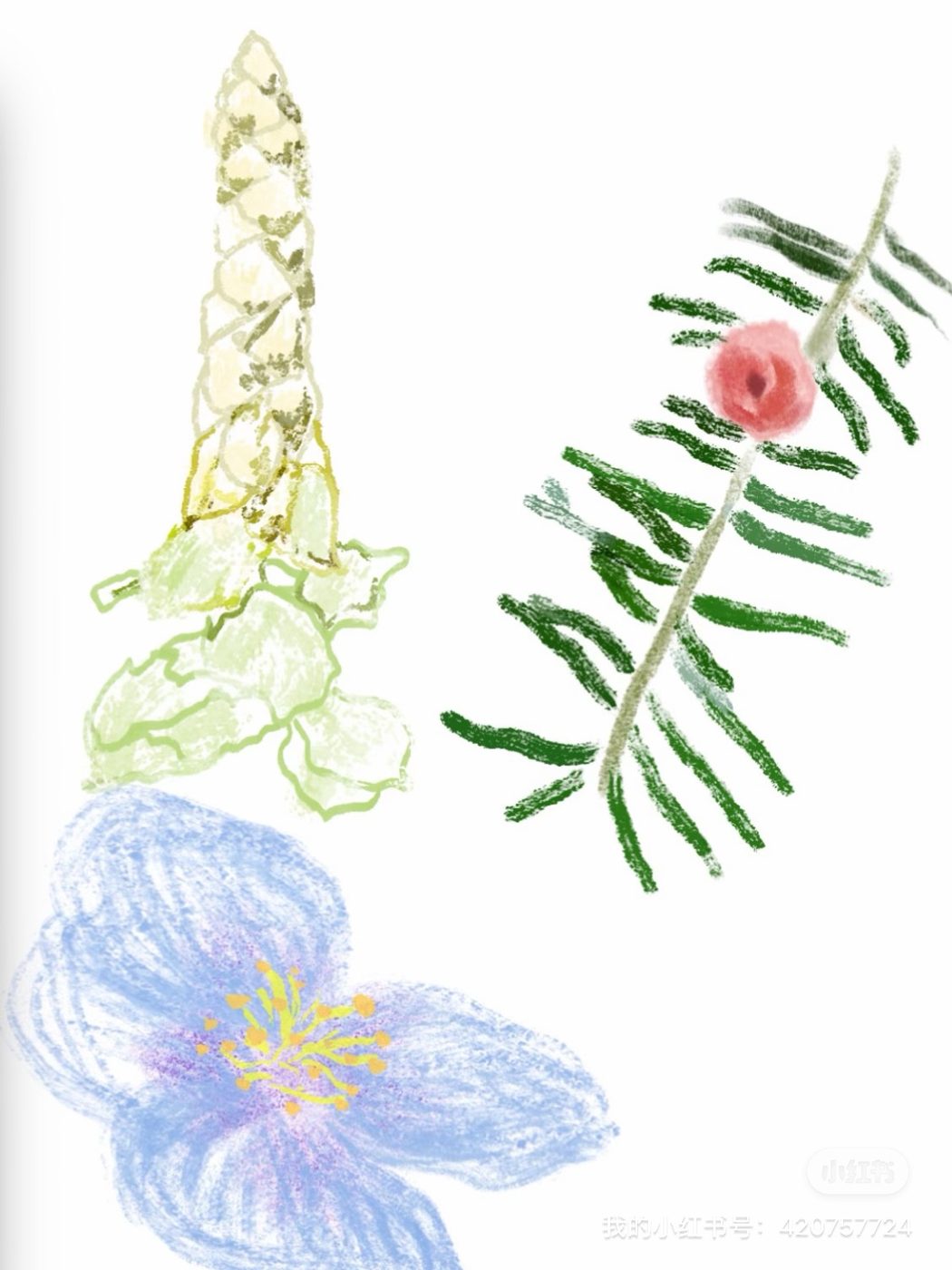
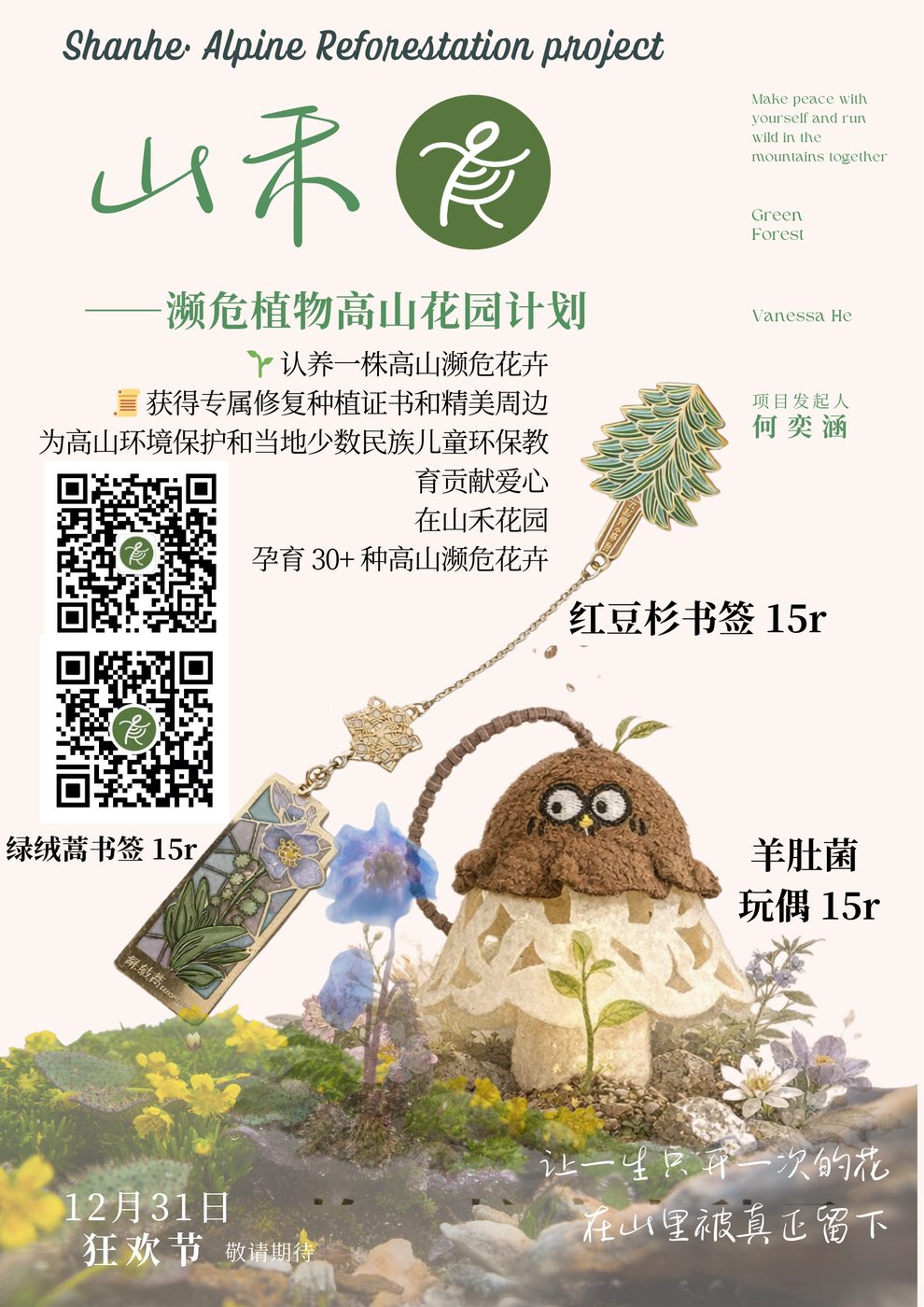
The Beijing team also became part of Shanhe's attempt to connect biodiversity conservation with community return. Designs created by young volunteers in Liju were developed into posters and other small products. These products were then introduced and sold through Shanhe's networks in Beijing and Xiaohongshu, allowing work created in Liju to circulate through a student audience more than 2,000 kilometers away.
Together with other Shanhe activities, these efforts have generated RMB 5,000+ in revenue to date, which has been reinvested into garden facilities and volunteer returns.
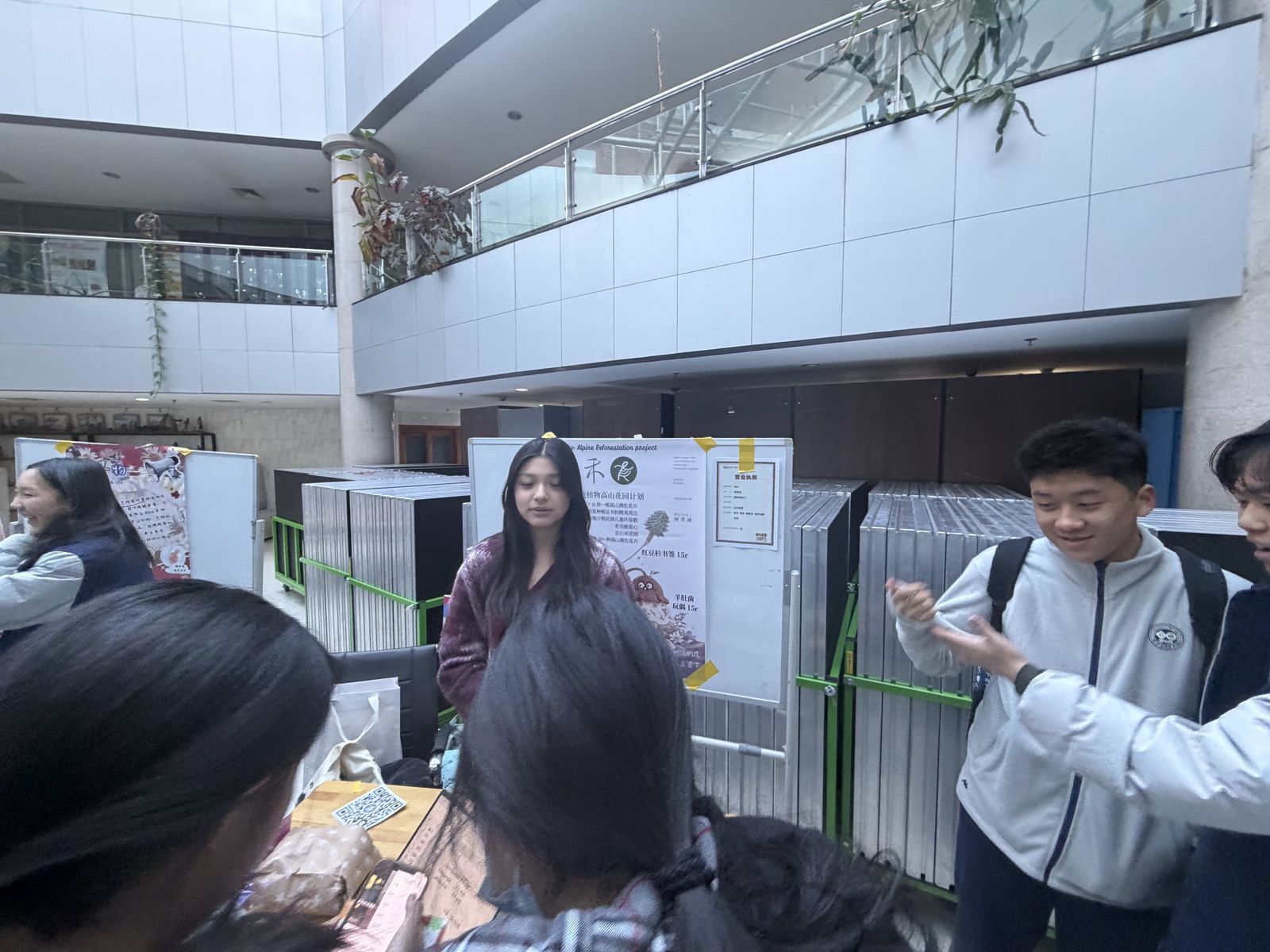
The relationship is therefore not imagined as knowledge travelling in only one direction — from the mountains to students in Beijing. Design, conservation stories, participation, and economic value move between the two communities.
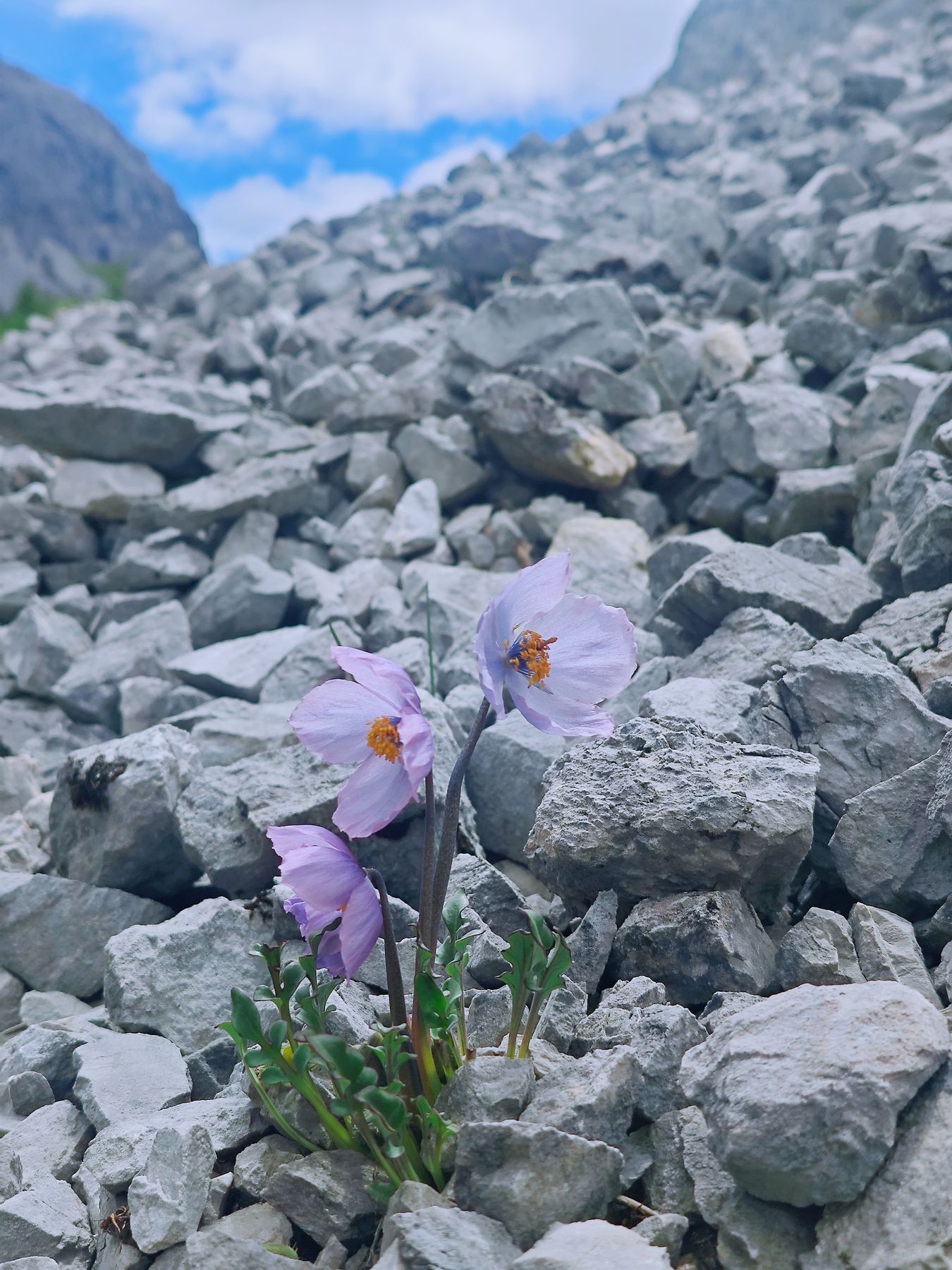
Moving Shanhe from Liju to Beijing also revealed the limits of transplantation. Alpine plants could travel; their original landscape could not. Temperature, substrate, moisture, and light could be reconstructed, but the ecological and social relationships surrounding the plants in the mountains could not simply be moved with them.
The Beijing garden therefore became more than an extension of cultivation. It made us ask what conservation means when it enters a new place, forms new relationships, and becomes part of another community.
These questions later became the starting point for Shanhe's artistic work on place, displacement, and belonging.
View Permission to Stay →2,000 KM APART. PART OF THE SAME GARDEN.
It is no longer only where the plants grow. Shanhe began with the question of how to return endangered plants to a mountain, and it has since grown into a network of people learning, cultivating, designing, caring, and participating across two places.
It is also the relationships
growing around them.