Distribution
WHO BENEFITS, AND WHO BEARS THE COST?
Distributional justice asks who bears the costs and who receives the benefits of conservation.
FIELDWORK / LIJU — POLITICAL ECOLOGY & ETHNOGRAPHY
Our fieldwork asked two questions: what lies behind visible environmental pressure, and can conservation itself create inequality? Using political ecology and ethnography, we examined both the landscape and our own intervention.
Looking outward
Visible pressures such as grazing, land use, and tourism are not complete explanations. In Liju, they connect to household security, volatile markets, labor shortages, migration, and care responsibilities.
Local practices were therefore the starting point of explanation, not its endpoint.
Looking inward
Conservation can distribute costs and benefits unevenly, privilege certain forms of knowledge, and exclude those unable to participate. We therefore asked:
Environmental pressure in Liju is produced through relationships among livelihood insecurity, markets, labor, migration, tourism, conservation, and ecological change. When conservation responds, how are its consequences distributed?
Distribution
Distributional justice asks who bears the costs and who receives the benefits of conservation.
Recognition
Recognition justice asks whose knowledge, labor, and relationships with the mountain are valued.
Procedure
Procedural justice asks who has meaningful influence before conservation priorities are fixed.
These questions became principles for how we redesigned Shanhe's conservation practice.
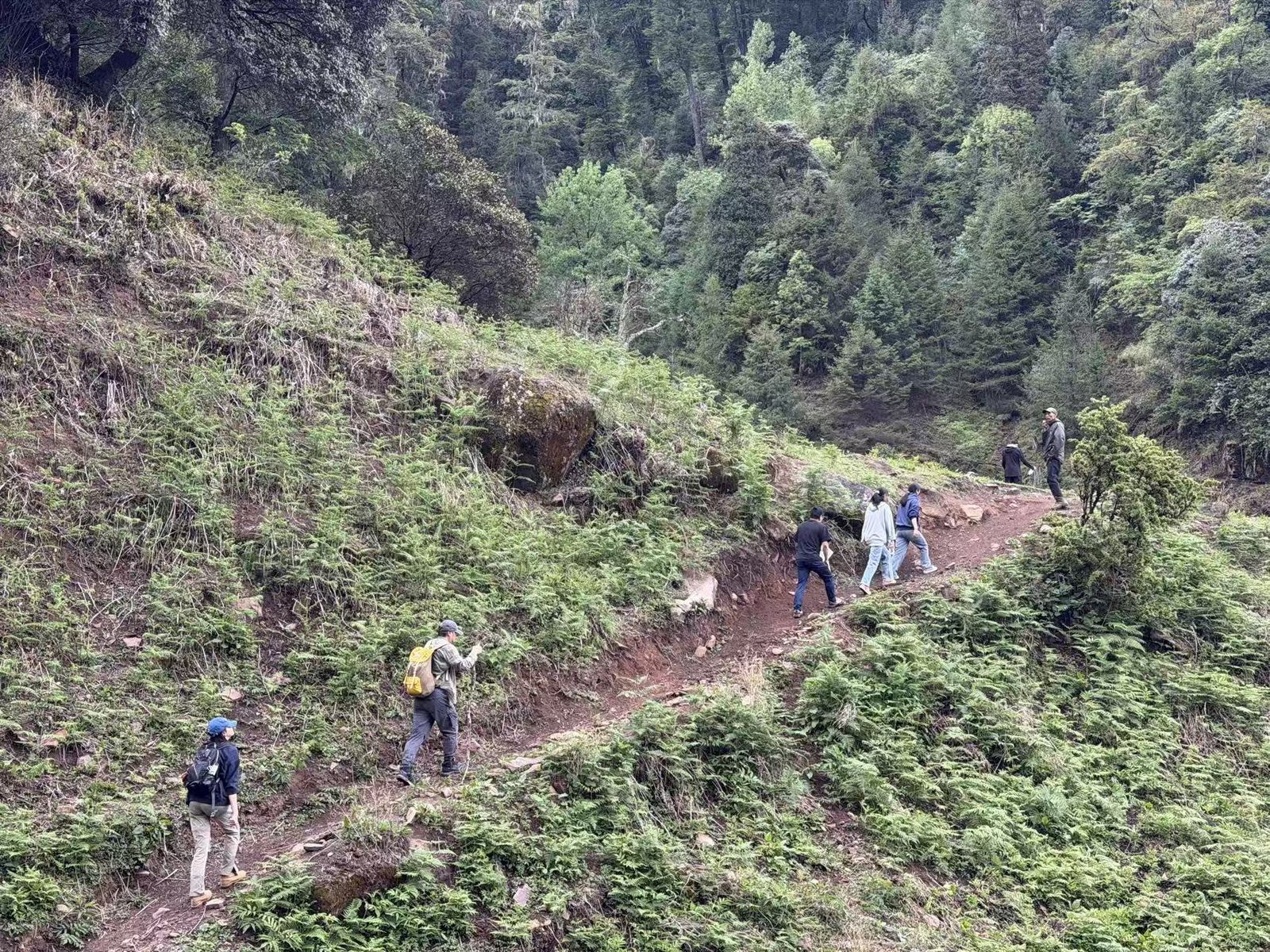
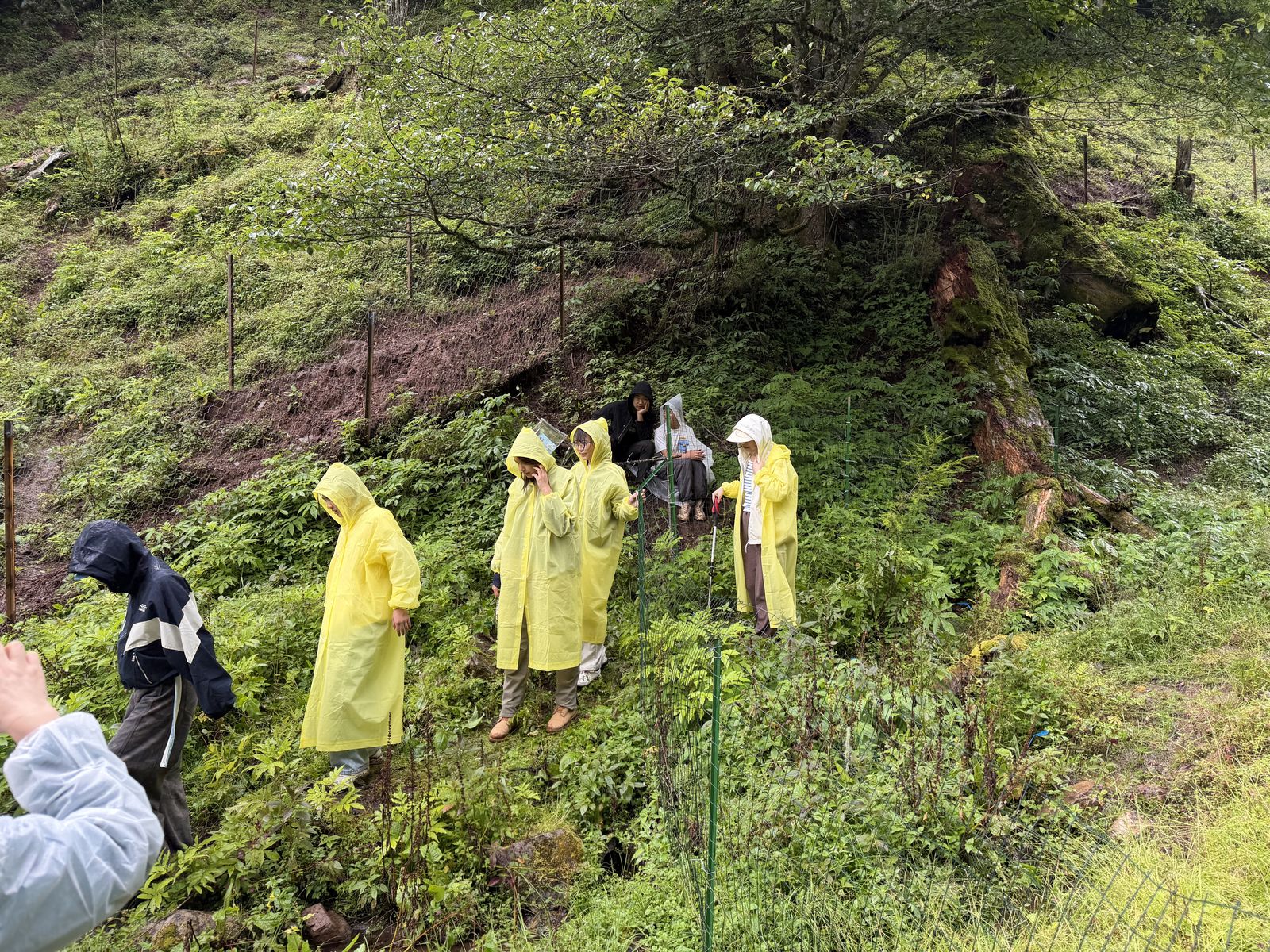
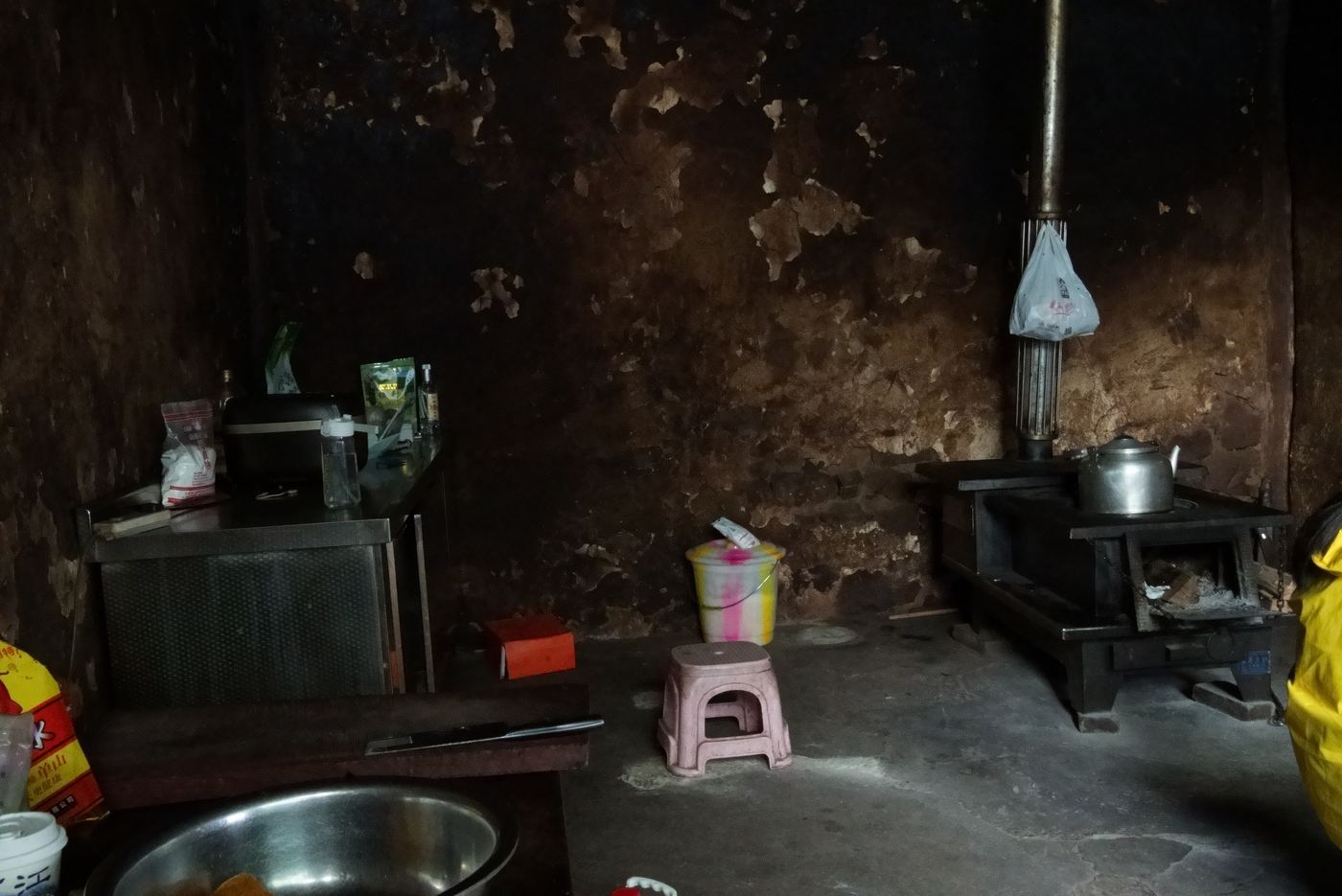
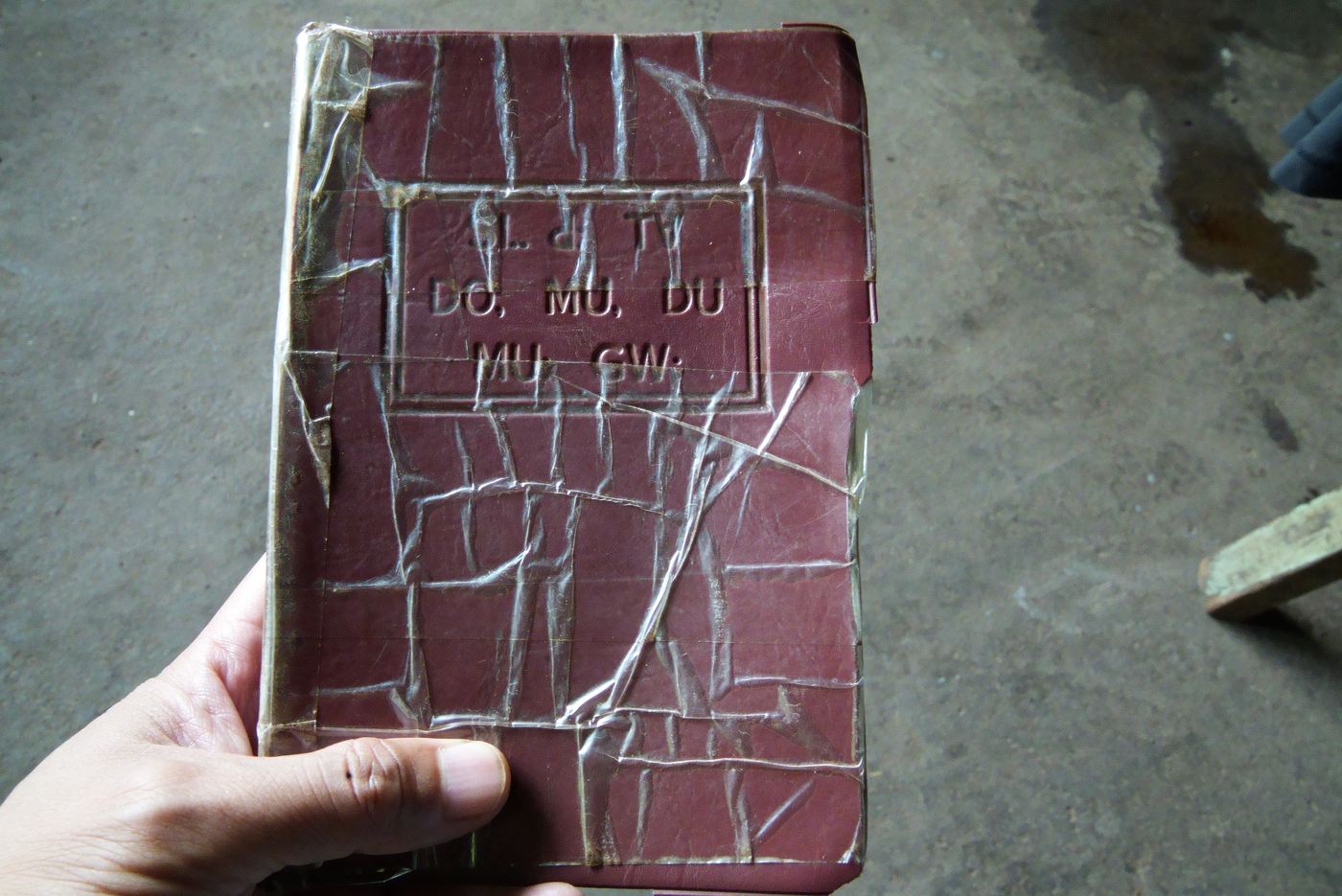
Photographs, location notes, and conversations recorded across expeditions. Field observations are presented as local testimony and field conversations, not unqualified scientific claims.
Our fieldwork focused on Sanchahe, a 49-household group within Liju Village, where we conducted 15 interviews with people who experience the mountain from different positions — including herders, medicinal-plant growers, guesthouse owners, bird guides, conservation practitioners, elders, young people, and children.
“Grazing is a major source of household income. You cannot simply tell people to stop — that would cut off their livelihood.”Local testimony (translated) — field conversation
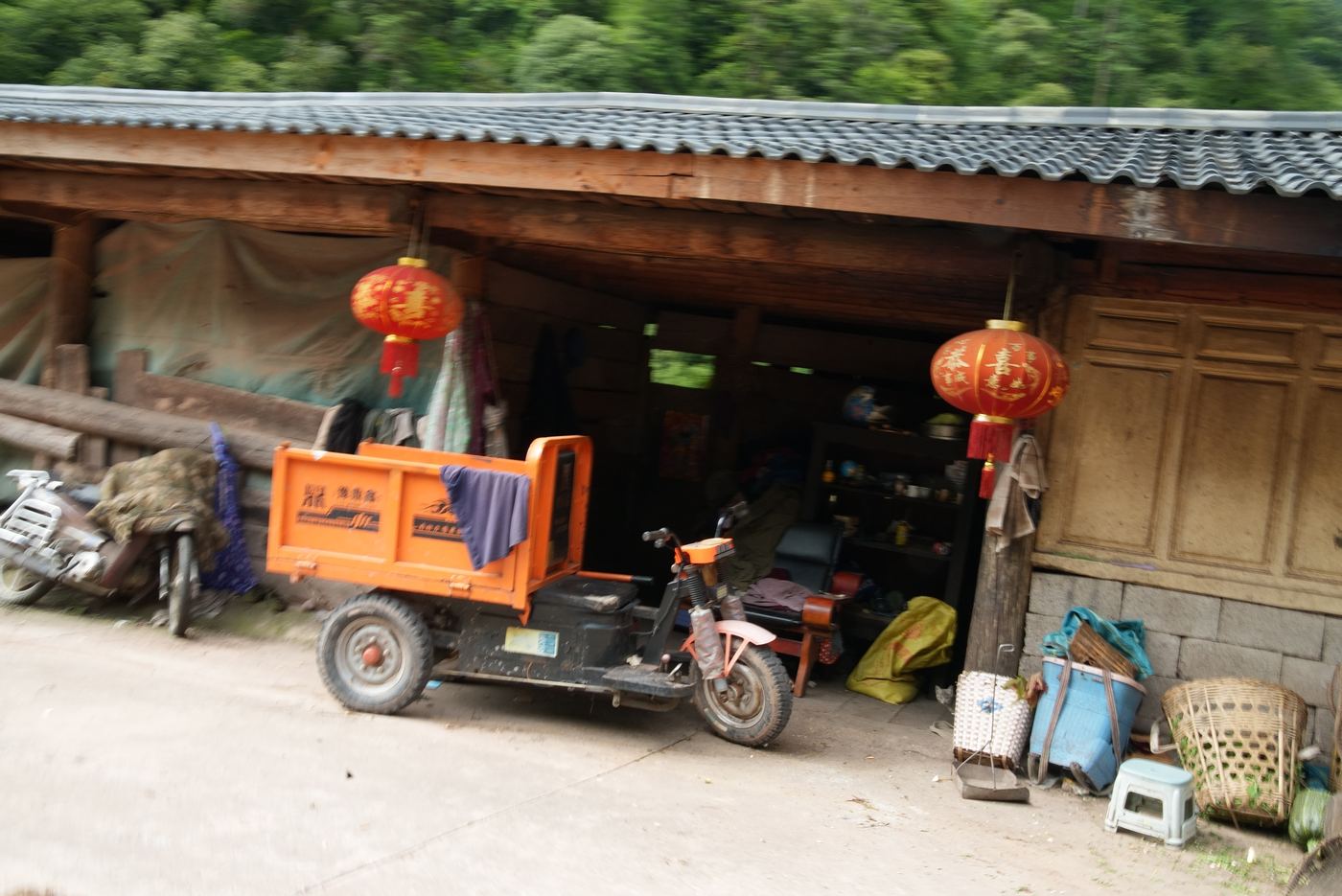
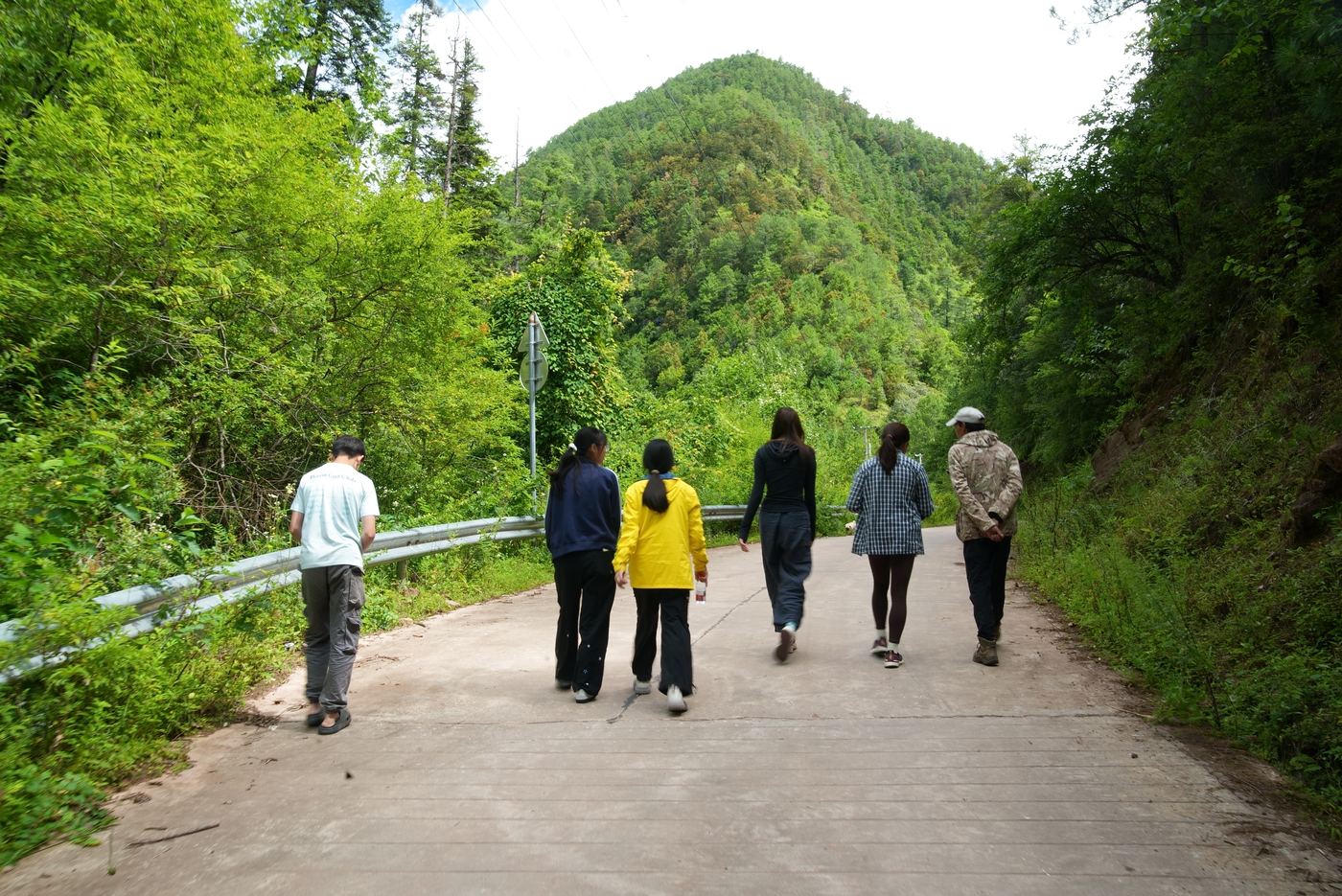
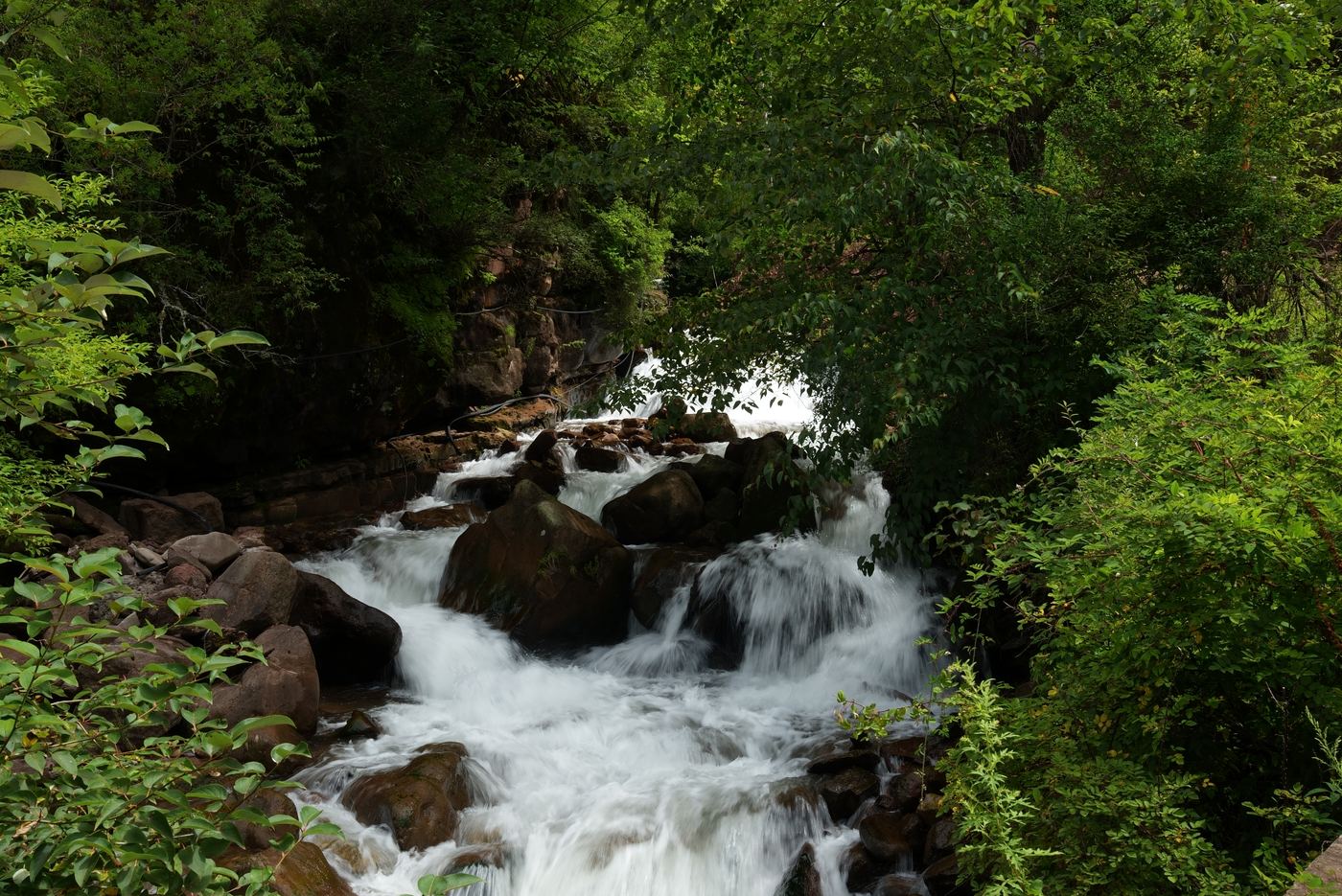
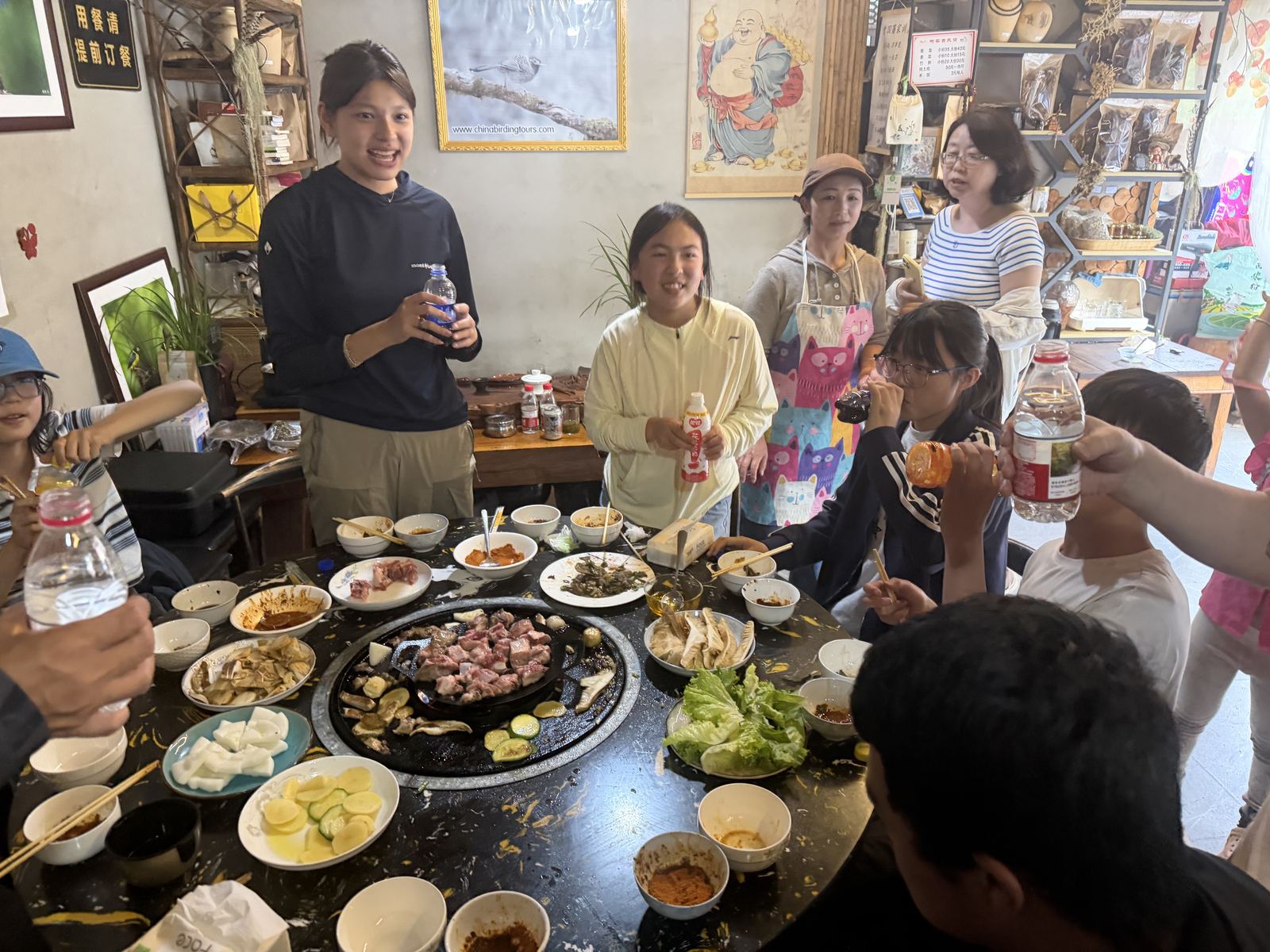
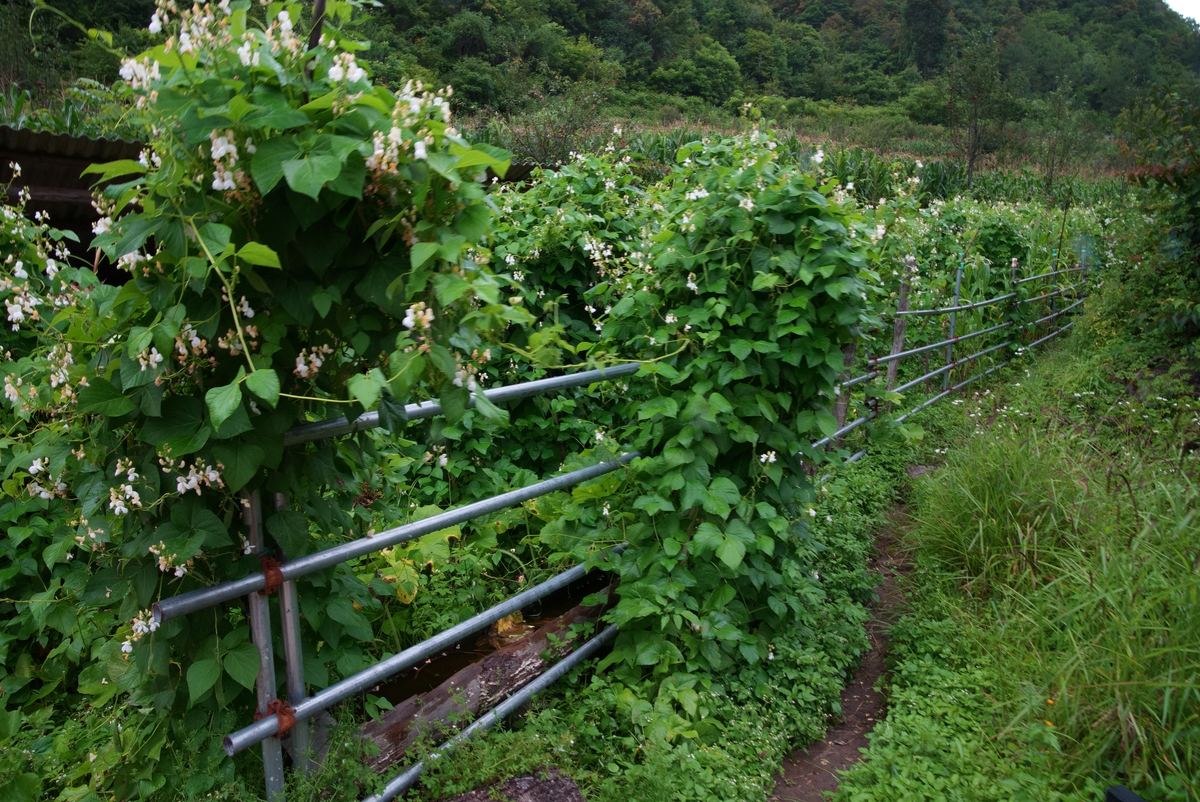
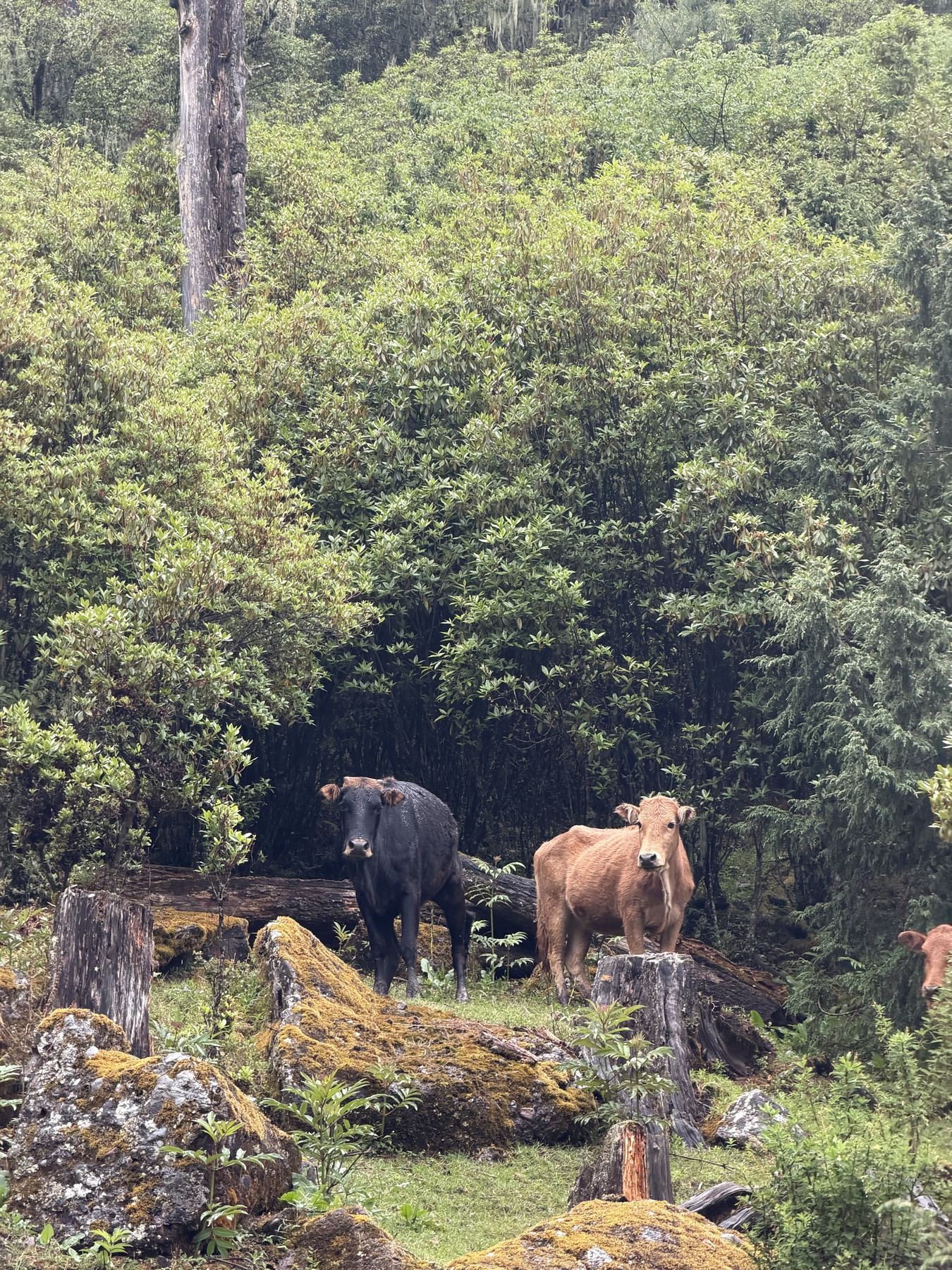
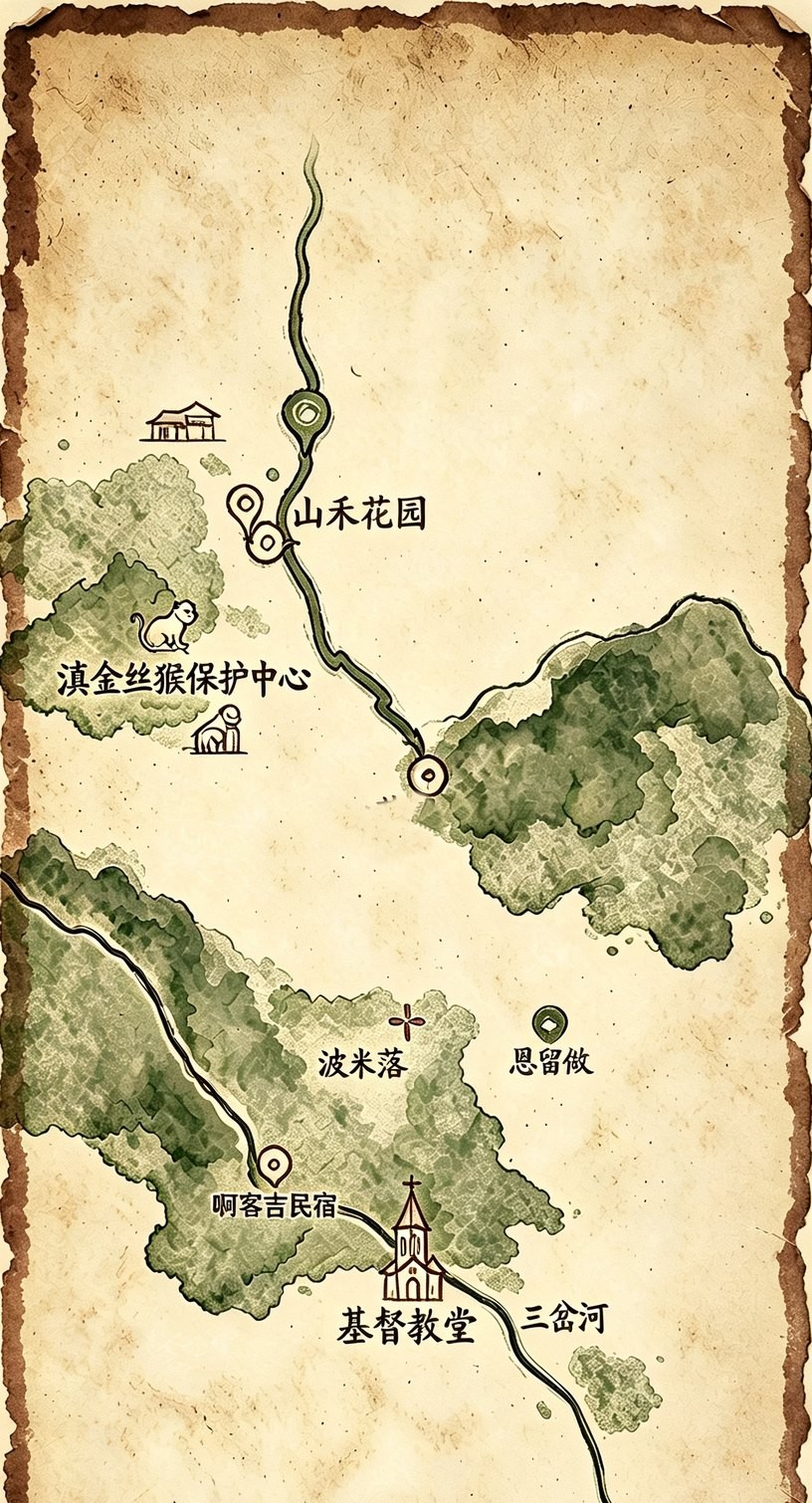
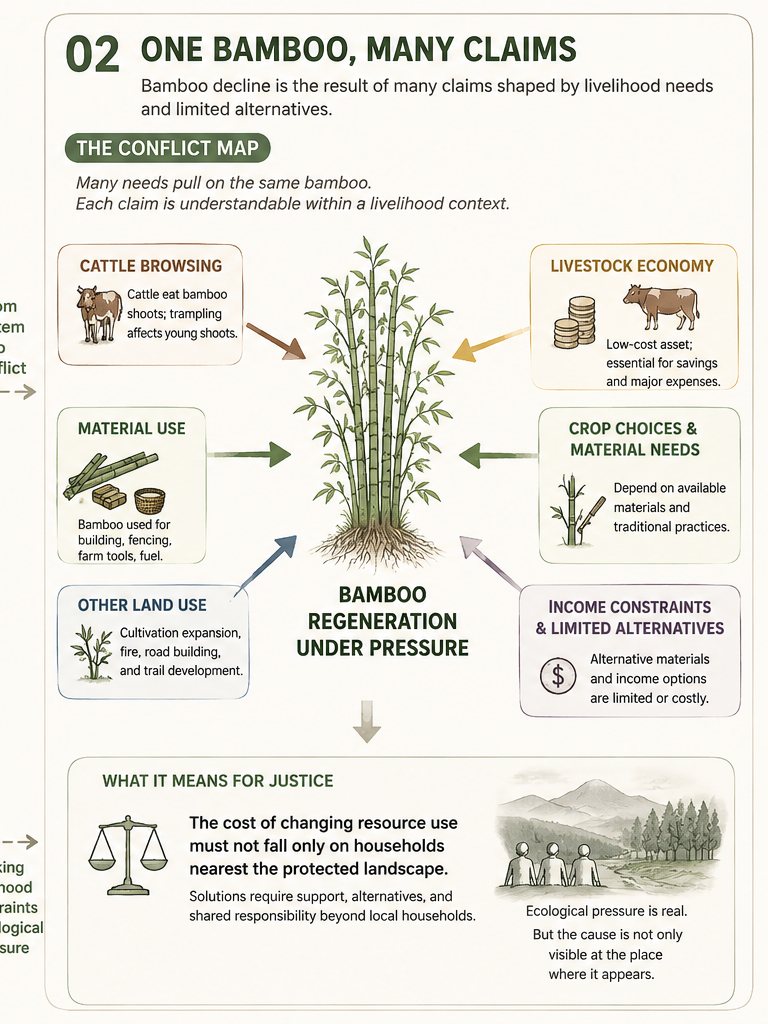
The Atlas turns field evidence into six connected arguments about livelihood, biodiversity, knowledge, value, and power.
Explore the atlas →
Rather than presenting a single “community perspective,” these voices reveal how the same mountain can be habitat, livelihood, workplace, home, and protected space.
Enter voices →
The fieldwork did not simply give Shanhe a vocabulary for describing injustice. It changed what we believed a conservation garden should do, who should shape it, and where its benefits should travel.
Biodiversity creates visitor and economic value, but conservation becomes unequal when local communities carry its costs while benefits flow elsewhere.
Paid conservation — We proposed integrating alpine-plant conservation into the Yunnan snub-nosed monkey conservation station's existing system, so villagers maintaining and monitoring the garden can receive ranger wages rather than providing unpaid labor.
Local tourism — We work with bird guides and guesthouse operators to develop small-scale alpine-flower viewing and photography, connecting biodiversity with locally rooted guiding and hosting while limiting visitor pressure.
Community products — Shanhe products, including locally connected designs, have been sold through Xiaohongshu and in Beijing. These activities have generated RMB 5,000+ to date, reinvested in garden facilities and volunteer returns.
Justice principle — conservation value should circulate back to the people and labor sustaining it.
Residents and volunteers hold practical knowledge of water, livestock movement, routes, access, fencing, and long-term maintenance that specialist botanical knowledge alone cannot provide.
What changed — Local knowledge directly informed site selection, water access, fencing, and maintenance planning. A young local volunteer identified the need for a reliable water source, helped select a viable site, prepared water access, and constructed fencing against free-ranging livestock.
Practice — Shanhe records local knowledge through ethnography and the decisions it changes, rather than treating it simply as oral history or “community wisdom.”
Justice principle — recognition matters when knowledge has the power to change conservation decisions.
Local collaborators saw biodiversity tourism as a possible livelihood opportunity while also warning about overcrowding, trampling, and waste.
What changed — Shanhe expanded from alpine restoration alone toward restoration + carefully scaled visitation + public education + local economic return.
Practice — Garden development, tourism, maintenance, and future revenue mechanisms are discussed with local collaborators rather than presented as finished plans. We document what was proposed, what local participants raised, what changed, and what remains unresolved.
Justice principle — participation is meaningful when local priorities can change what the project becomes.
Conservation continues through watering, monitoring, fence repair, path maintenance, guiding, and hosting long after planting is finished.
The time and resources available for this work are unequal, making dependence on invisible unpaid labor unsustainable. Shanhe aims to credit maintenance labor, reduce unpaid expectations, and design the garden around realistic local capacity.
Next step — The proposed ranger-wage collaboration would turn recurring maintenance into compensated conservation work.
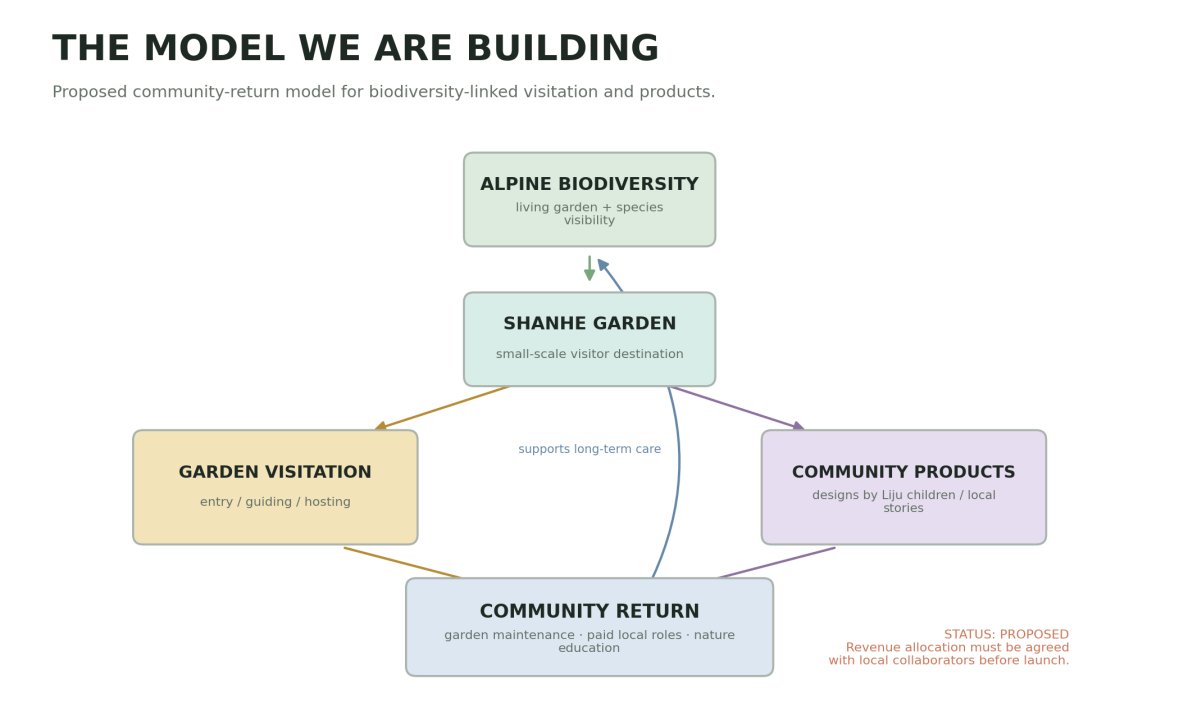
Alpine biodiversity creates visibility; the garden connects that visibility to carefully scaled visitation, guiding, hosting, and products; revenue supports garden infrastructure, paid or compensated conservation work, and volunteer returns; and continued local participation helps determine how the system develops.
The model is intended to keep conservation value circulating through the relationships that make long-term care possible, rather than maximizing visitor numbers.
Status — implementation has begun through product sales, local tourism collaboration, and reinvestment of more than RMB 5,000 in revenue. The conservation-station partnership and ranger-wage mechanism are being advanced through a proposal and should be described as proposed until formally adopted.
Fieldwork / next
The six maps ask who can afford to care, and who gets to decide. Read them as a visual argument — then meet the people whose words ground it.