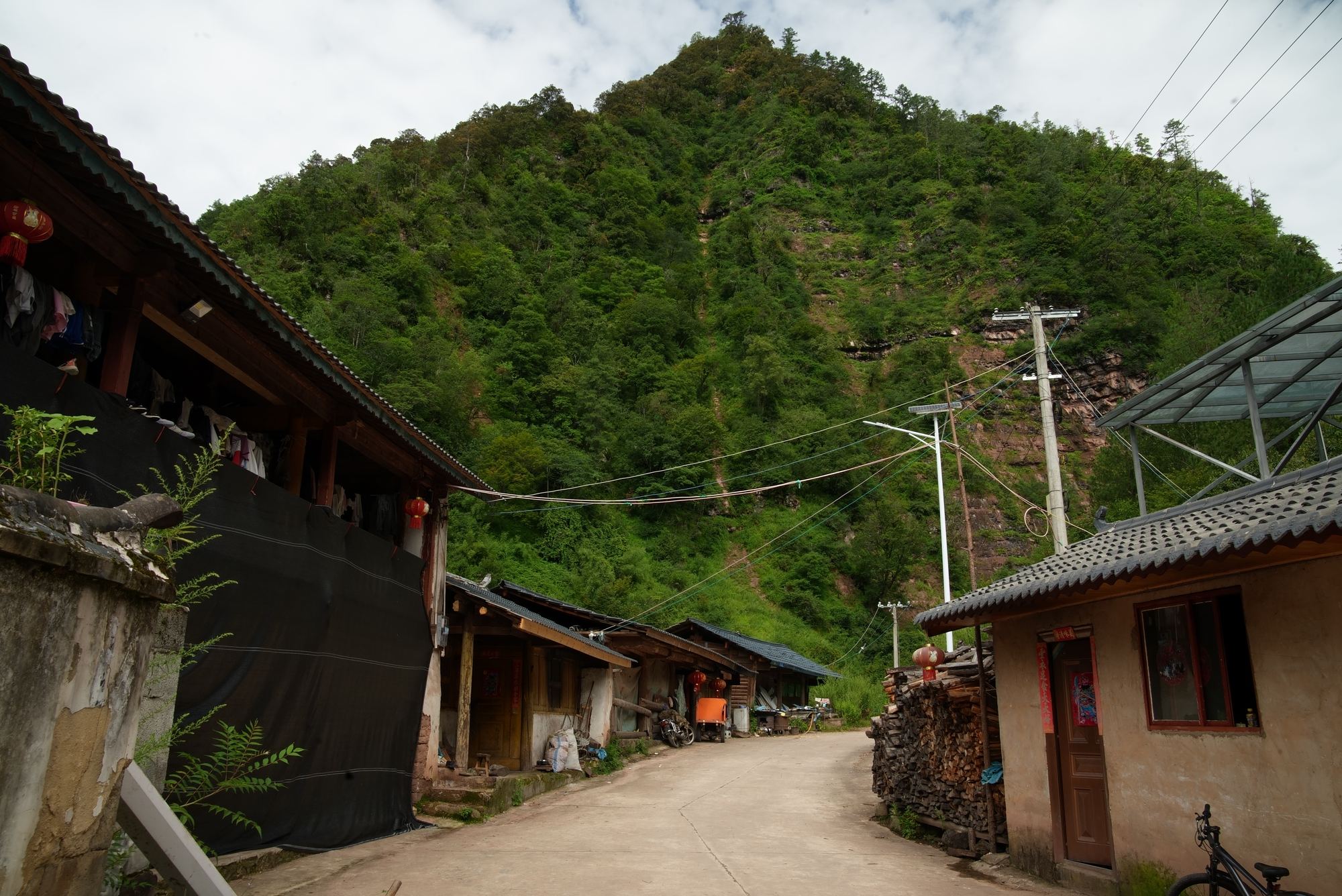
Farmland at the foot of Laojun Mountain, Liju

ALPINE CONSERVATION / ENVIRONMENTAL JUSTICE

WHO SHAPES
CONSERVATION?

An alpine plant conservation initiative examining how biodiversity protection intersects with livelihood, knowledge, labor, and belonging.

LIJU VILLAGELAOJUN MOUNTAINSLIJIANG
SCROLL
Ecological context

WHAT IS BEING LOST?

LIFE AT THE EDGE OF CONDITIONS.

Alpine plants in the Hengduan Mountains survive within narrow ecological limits shaped by altitude, temperature, moisture, seasonality, and highly localized habitats. For species already occurring in small and fragmented populations, even minor environmental change can matter.

Habitat change Climate change Collection Small, fragmented populations
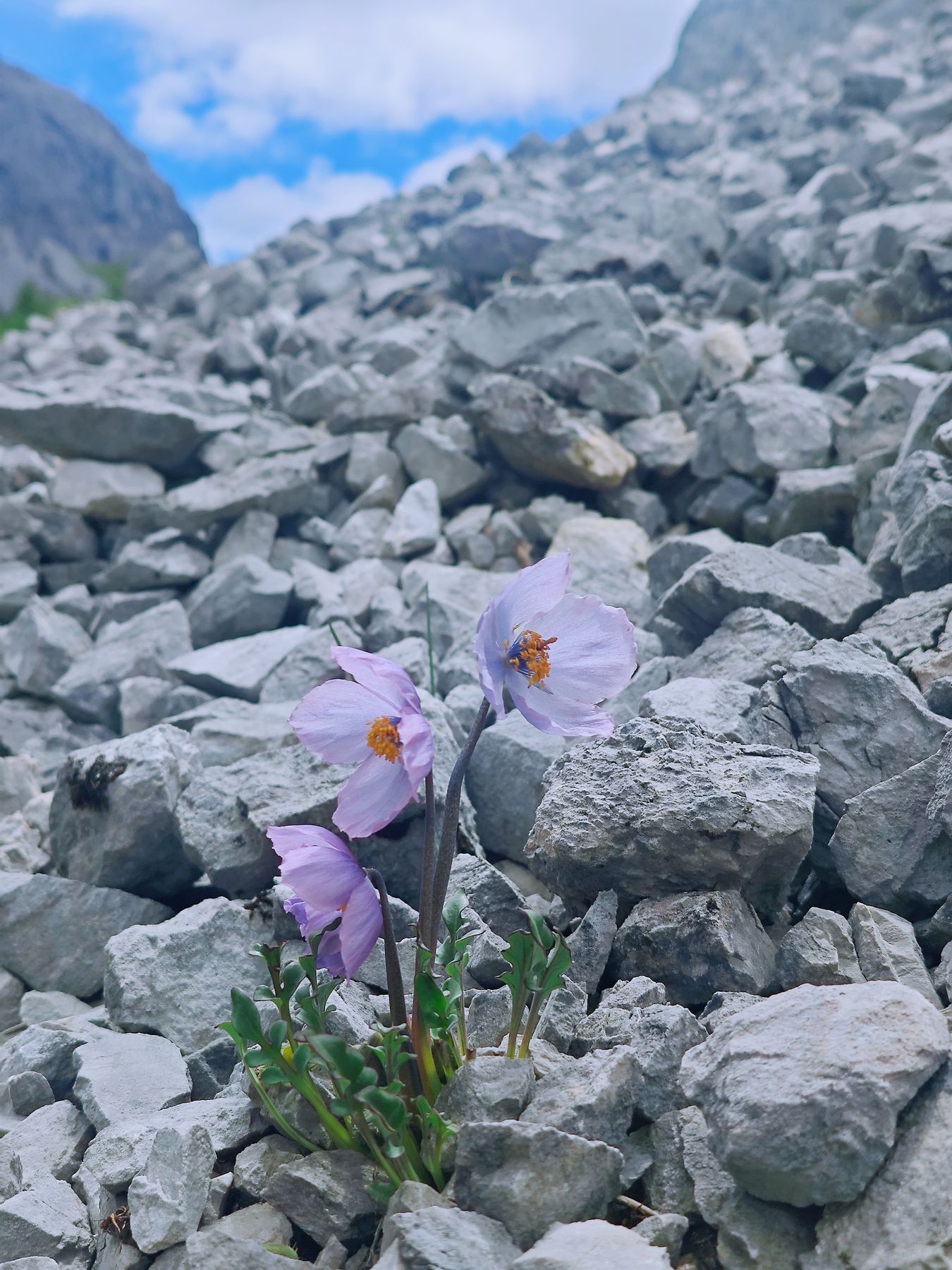
Meconopsis in alpine scree habitat
Hengduan Mountains — alpine habitatFig. 01
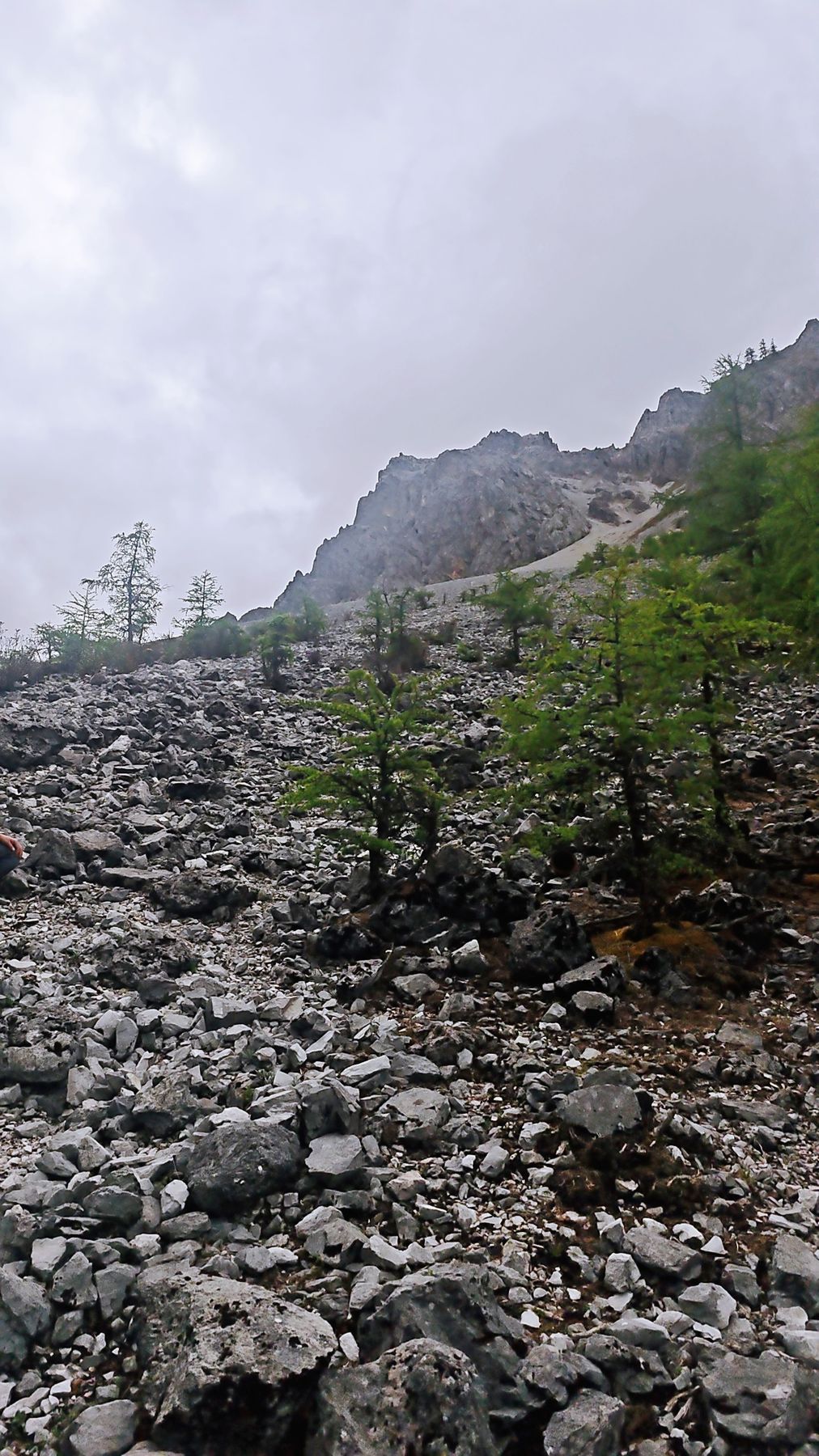
Scree slope and fir forest in cloud
What a habitat is made of
Livestock grazing at the forest edge
Pressure is layered
Macro photograph of a Meconopsis seed
And it narrows, down to a seed
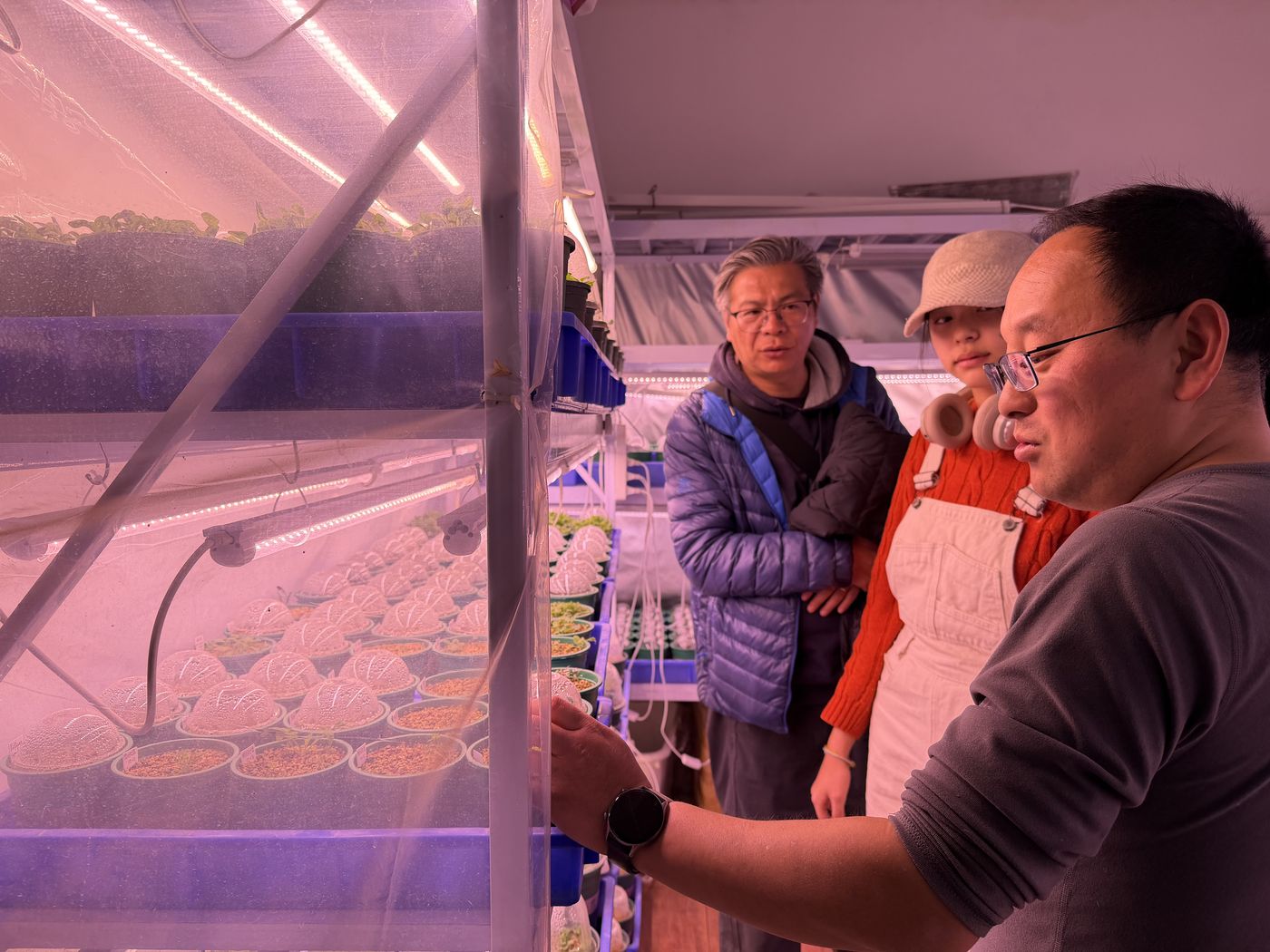
Many alpine plants do not germinate simply when water arrives. Their seeds may remain dormant until they experience prolonged cold, moisture, and seasonal change. In their native mountain habitats, winter performs this work. Once seeds leave those environments, conservation requires us to reconstruct part of that ecological sequence artificially.
Conservation practice

WE RECONSTRUCTED
WINTER.

0–5°CCold stratification
15–30 DAYSDormancy treatment
SPECIES-SPECIFICNo single recipe

The mountain could not travel with the seed. So part of the mountain had to be rebuilt around it.

From seed to seedling

CARE BECOMES A PROTOCOL.

01

SELECT

Sort, label, check each batch.
02

SOAK

Sterilize & break dormancy.
03

CHILL

Moist, 0–5°C, 15–30 days.
04

SOW

Species-appropriate substrate.
05

MONITOR

Light, moisture, germination.
06

REPOT

Separate strong seedlings.
07

TRANSPLANT

To the nursery, then the mountain.

Light, moisture, substrate, temperature, labels, and repeated observation turn plant survival into a practice of care. Different species require different treatments; cultivation is therefore not a single recipe but an ongoing process of observation and adjustment.

Return / landscape

A SEEDLING CAN BE MOVED.
A LANDSCAPE CANNOT.

When plants return to Liju, they enter more than a botanical habitat.

After laboratory cultivation and nursery growth, alpine plants return to a living landscape. But a landscape is more than temperature, soil, and altitude.

But what exactly are we returning a plant to?

A habitat is also a livelihood, a workplace, a home, and a governed landscape.

See conservation in practice
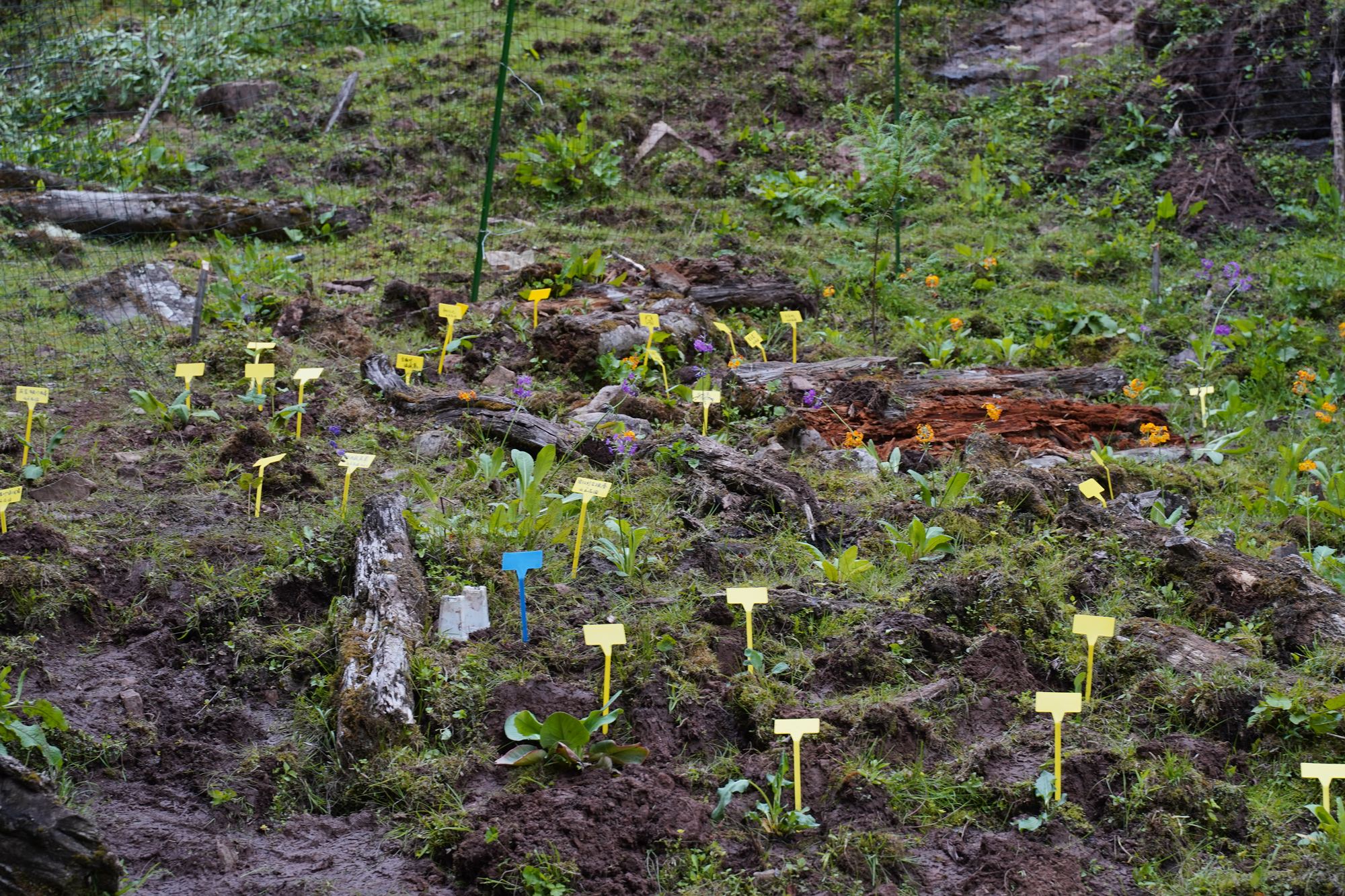
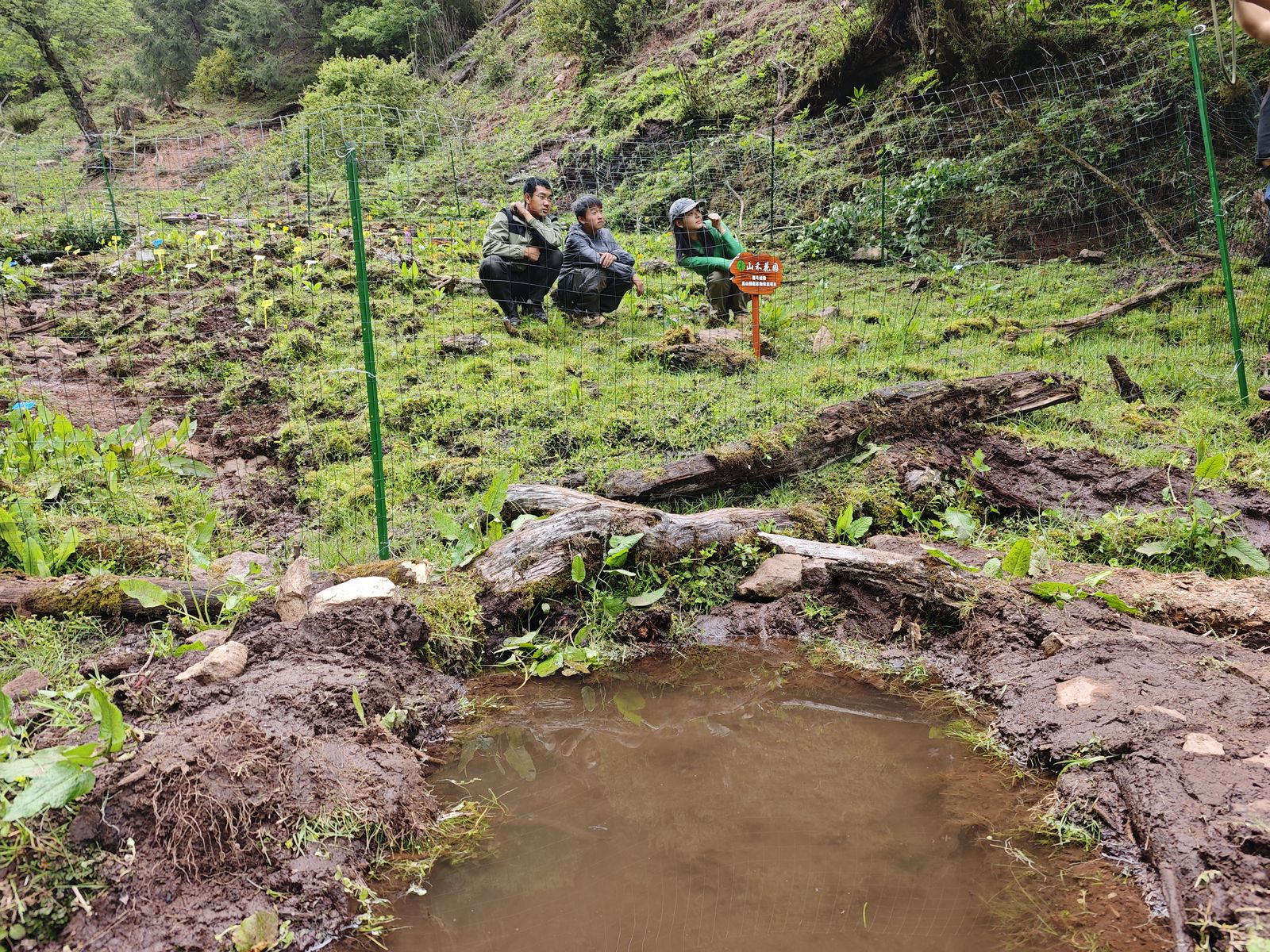
Alpine garden plots on the hillside of Liju
The Liju alpine garden, in the lived landscapeFig. 02
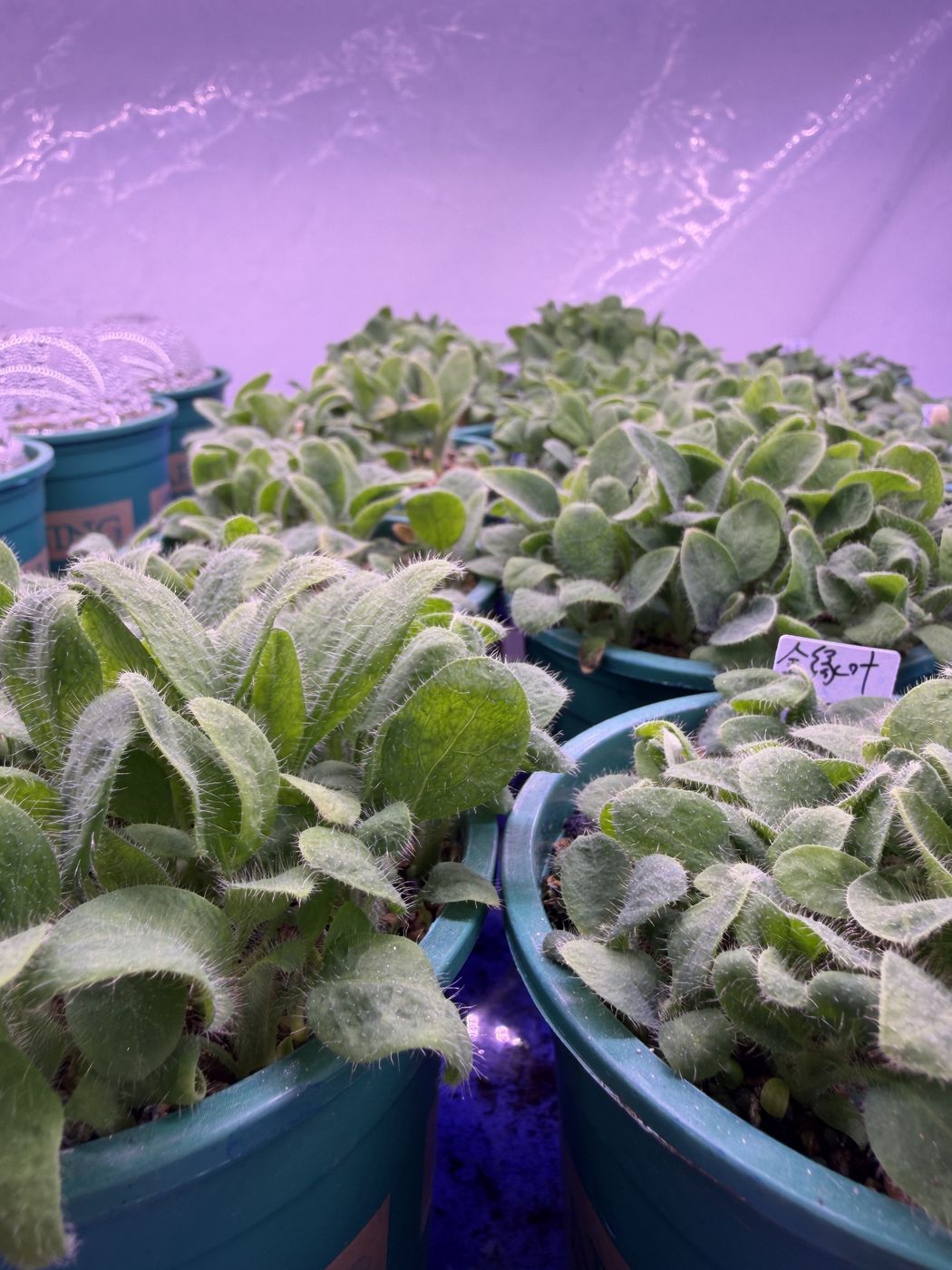
Meconopsis seedling in the laboratory
Laboratory
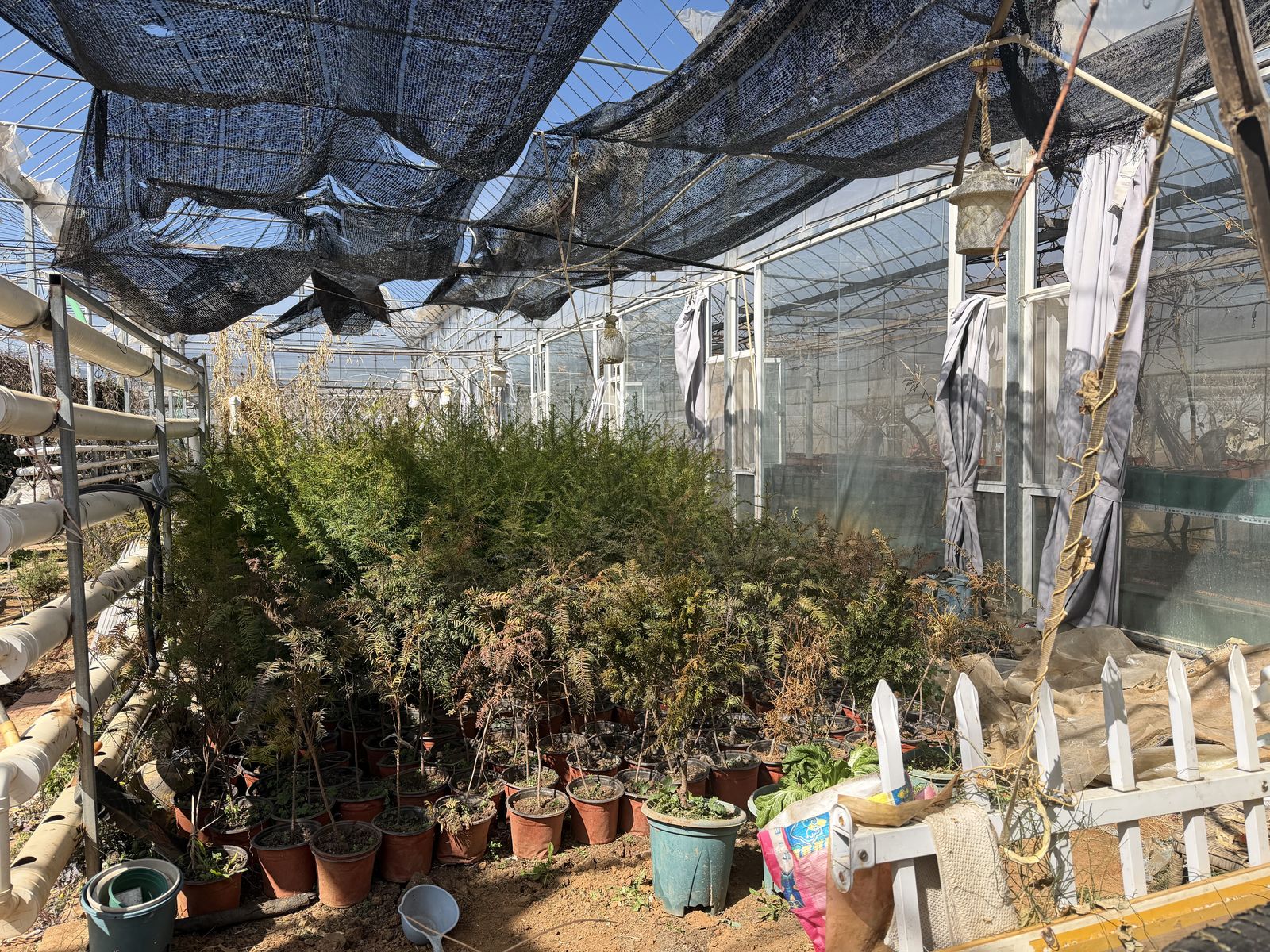
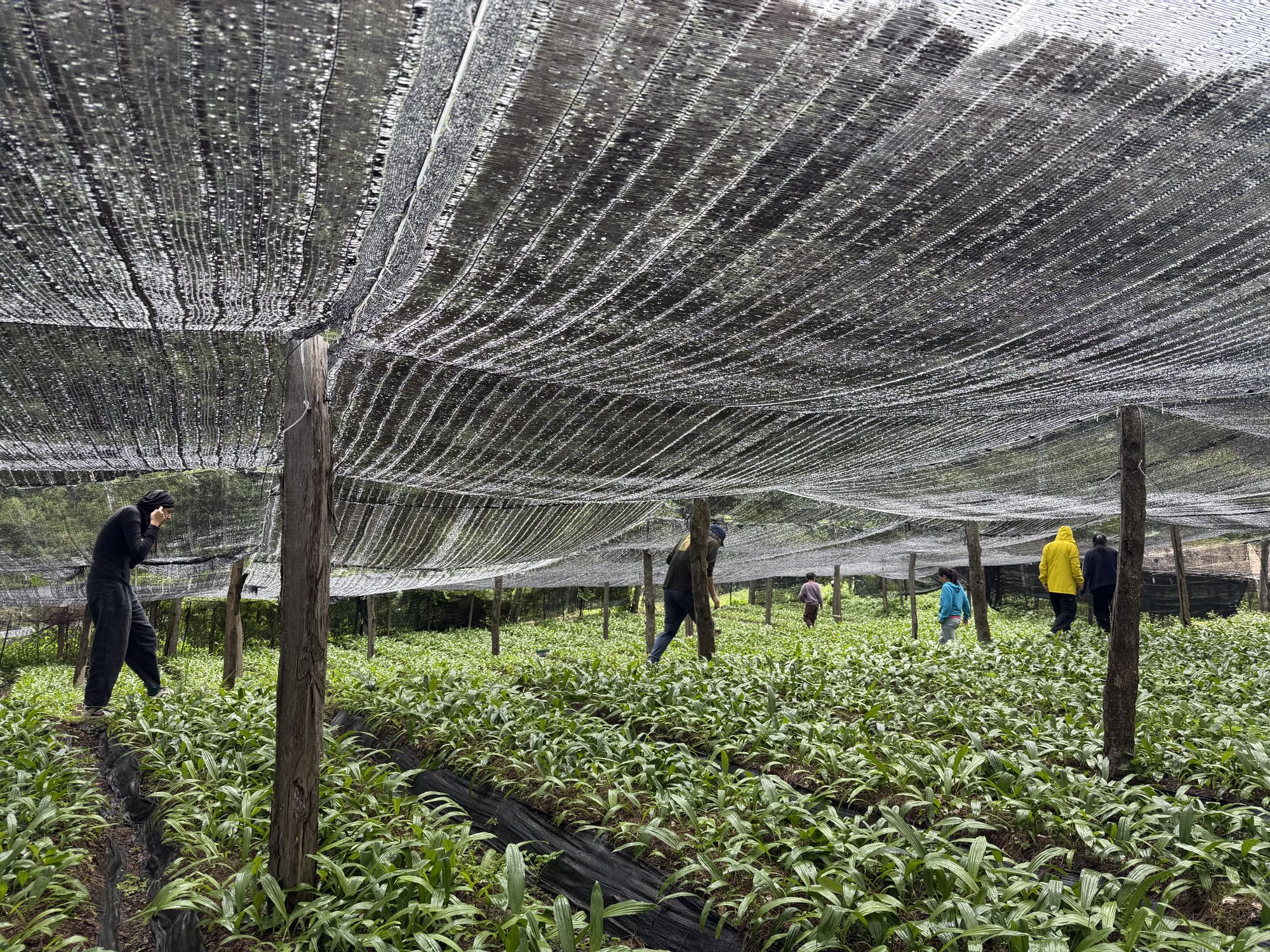
Greenhouse nursery at Lashi
Nursery — Lashi
Planting on the mountain at Liju
Return to Liju
Landscape of medicinal fields
A working landscape
Environmental justice / practice

CONSERVATION IS A QUESTION OF JUSTICE.

The same landscape can be habitat, livelihood, infrastructure, income, home, and protected space. Conservation changes how these values are recognized — and who is asked to carry their costs.

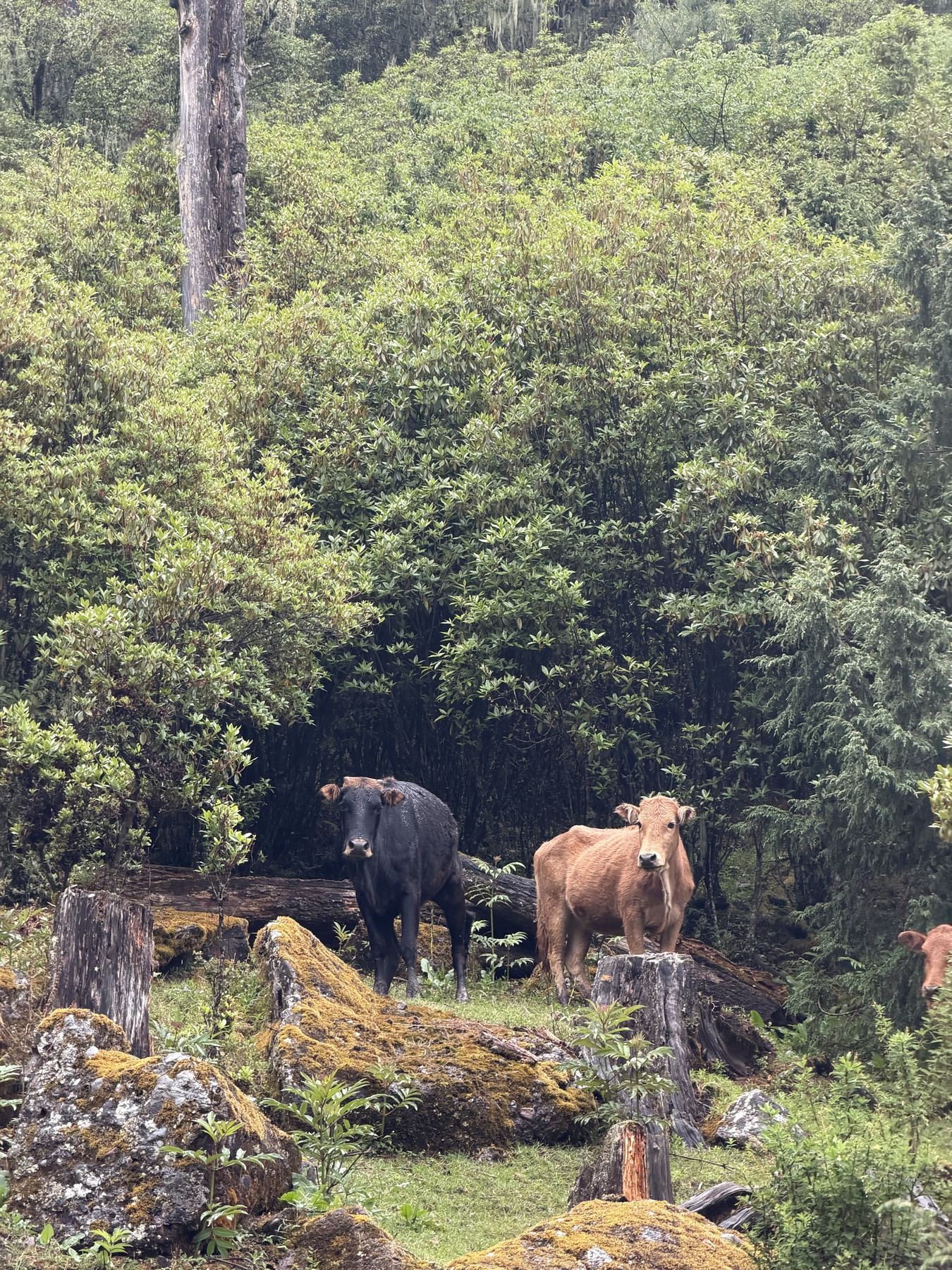
Livestock grazing at the edge of the forest

WHO BEARS THE COST OF CONSERVATION?

Grazing is an important household livelihood, while local testimony links intensive free-ranging livestock to bamboo decline and pressure on high-elevation vegetation. The question is not simply whether grazing creates ecological pressure, but how conservation can respond without treating livelihood as disposable.
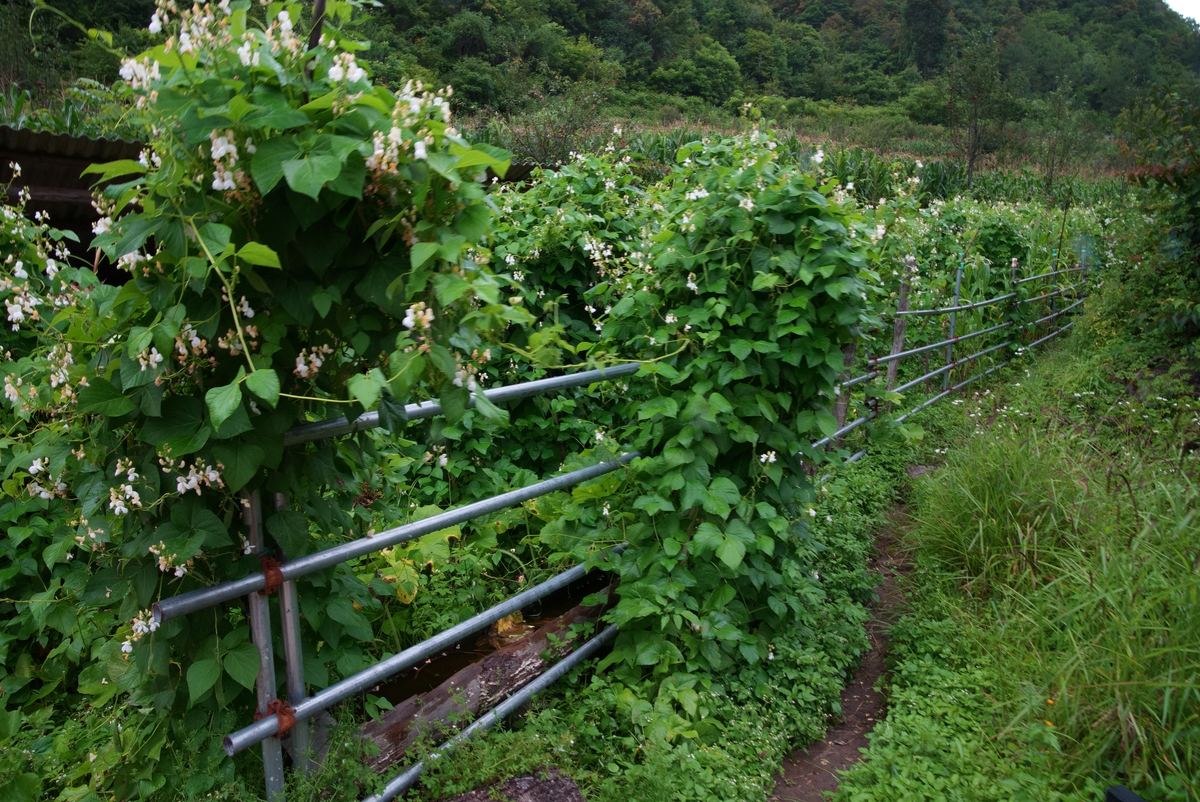
White beans, a local crop in Liju

WHO BENEFITS WHEN BIODIVERSITY BECOMES VALUABLE?

Birdwatching, guiding, camps, and small-scale tourism can create income around biodiversity. Yet local testimony also warns that too many visitors can bring trampling, waste, and new pressure to the environments they come to see.

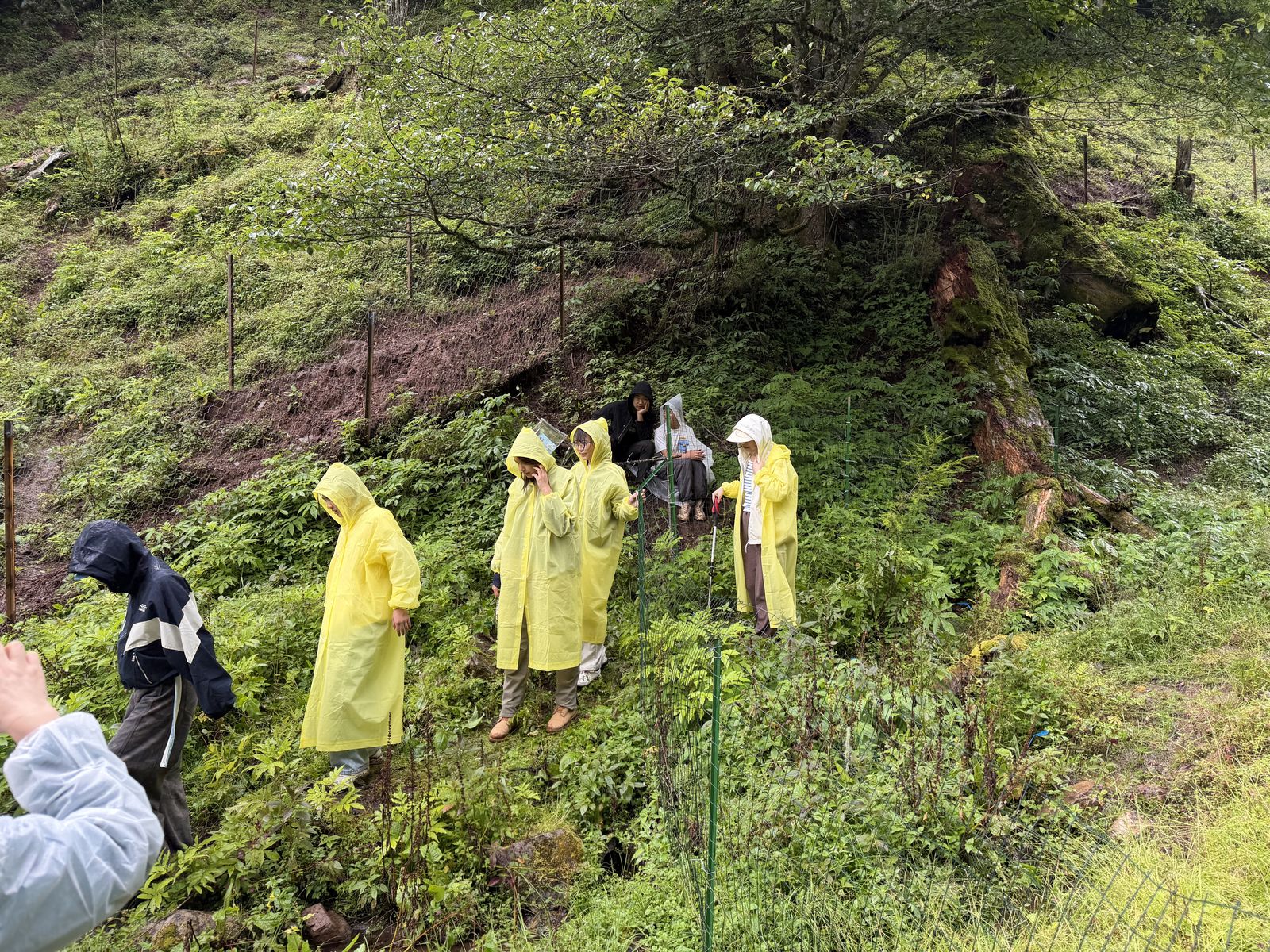
Field exchange between volunteers and residents

WHOSE KNOWLEDGE COUNTS?

Botanical expertise, bird knowledge, ranger observation, household experience, and conservation institutions notice different things. Conservation becomes more just when these forms of knowledge are attributed and placed in conversation rather than absorbed into a single authoritative voice.

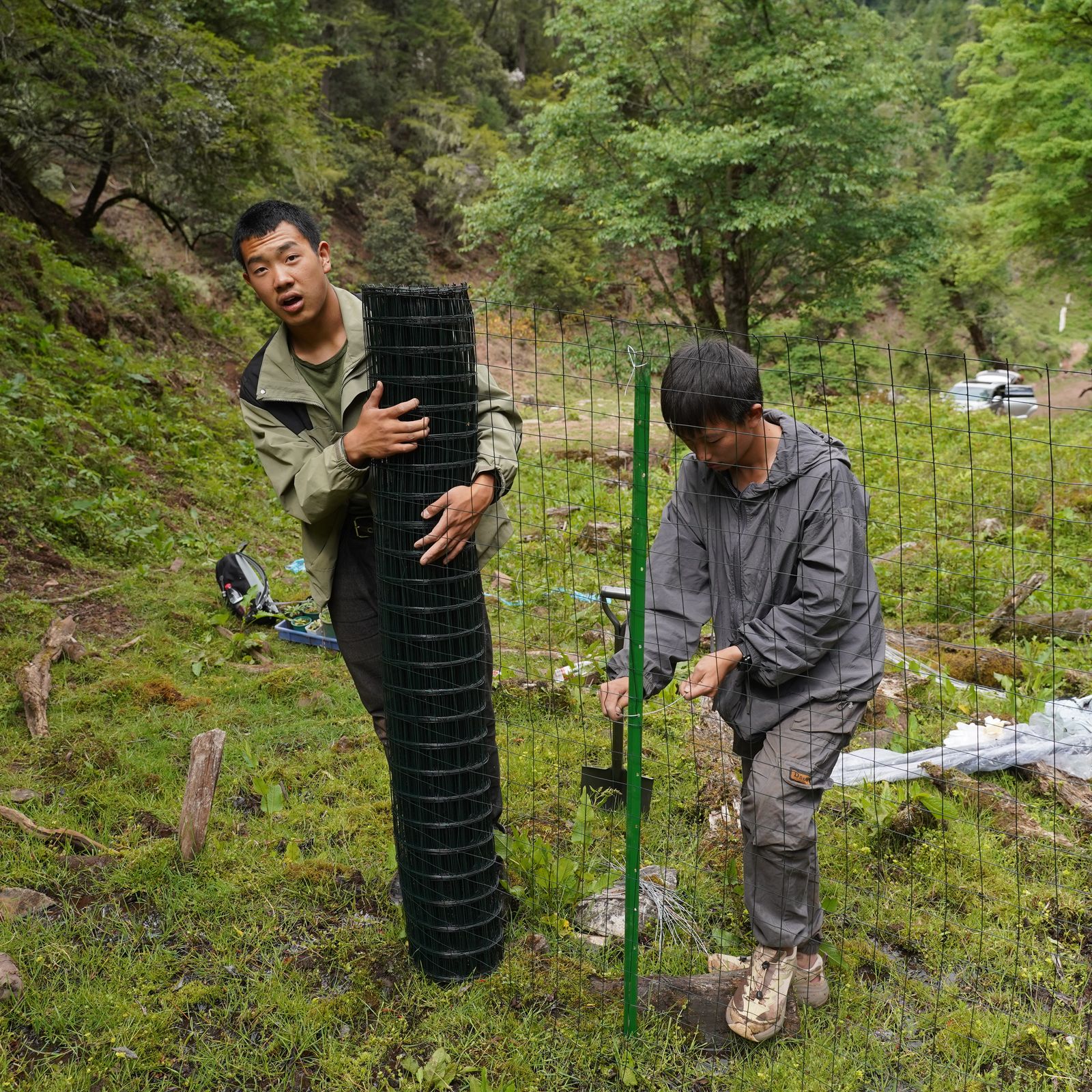
Fence protecting the garden against free-ranging livestock

WHO GETS TO PARTICIPATE — AND WHO DOES THE WORK?

Children join voluntary conservation activities; households exchange labor; cultivation and monitoring depend on repeated maintenance. Participation is not only attendance at a meeting. It is also the everyday work through which conservation becomes possible.

Research → practice

RESEARCH CHANGED THE PRACTICE

The fieldwork did not simply give Shanhe a vocabulary for describing injustice. It changed what we believed a conservation garden should do, who should shape it, and where its benefits should travel.

RecognitionDistributionParticipationCare
Explore fieldwork See conservation in practice

Recognition — Treat local observation and lived experience as attributed knowledge alongside specialist botanical expertise.

Distribution — Treat tourism and public access as questions of scale, ecological limits, and where benefits travel.

Participation — Build future garden programming around local priorities and feedback rather than treating the village only as a site of implementation.

Care — Make cultivation, monitoring, guiding, maintenance, and household labor visible in the project narrative.

Fieldwork / Liju

ONE LANDSCAPE. MANY WAYS OF KNOWING IT.

A second site

CONSERVATION IN THE CITY

In Beijing, thirty pots of six alpine species entered an unused school corridor. The ecological practice traveled — but the landscape, climate, institutions, and meanings of belonging changed.

Space

Who has permission to alter an unused institutional space?

Care

Who waters, maintains, labels, and notices the plants?

Classification

Why is one plant cultivated while another is called a weed?

Belonging

What makes a plant appear to belong somewhere?

INVITED / UNINVITED · PROTECTED / WEED · CULTIVATED / SPONTANEOUS · CARED FOR / REMOVED

The mountain — Liju

WHO HAS THE RIGHT TO BELONG?

Liju asks how plants return to a lived landscape. Beijing asks who — plant or person — receives permission to stay.

Enter Beijing View Permission to Stay
Medicinal fields in the Lijiang landscape
Lijiang
Alpine seedlings arriving at a Beijing school
Beijing
Art & public humanities

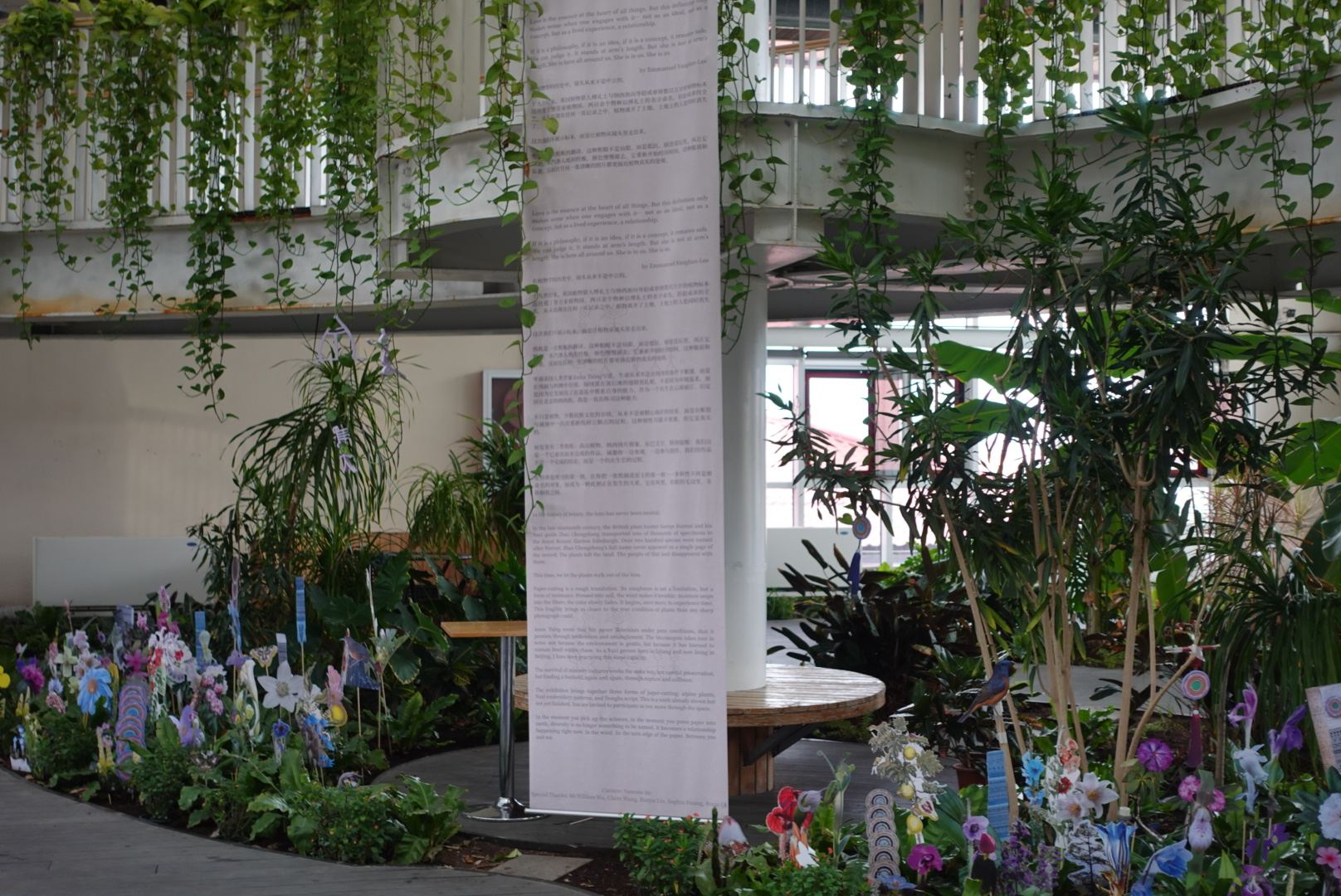
WHEN RESEARCH BECOMES ANOTHER LANGUAGE

Shanhe translates field research and conservation practice into visual, participatory, and archival forms. These works ask how ecological knowledge can be encountered — not only read.

SHANHE / CLOSING

WHO DECIDES WHAT DESERVES CARE?

We began by asking how to keep an endangered plant alive. The work led outward — from seed physiology to livelihoods, institutions, labor, knowledge, and belonging.